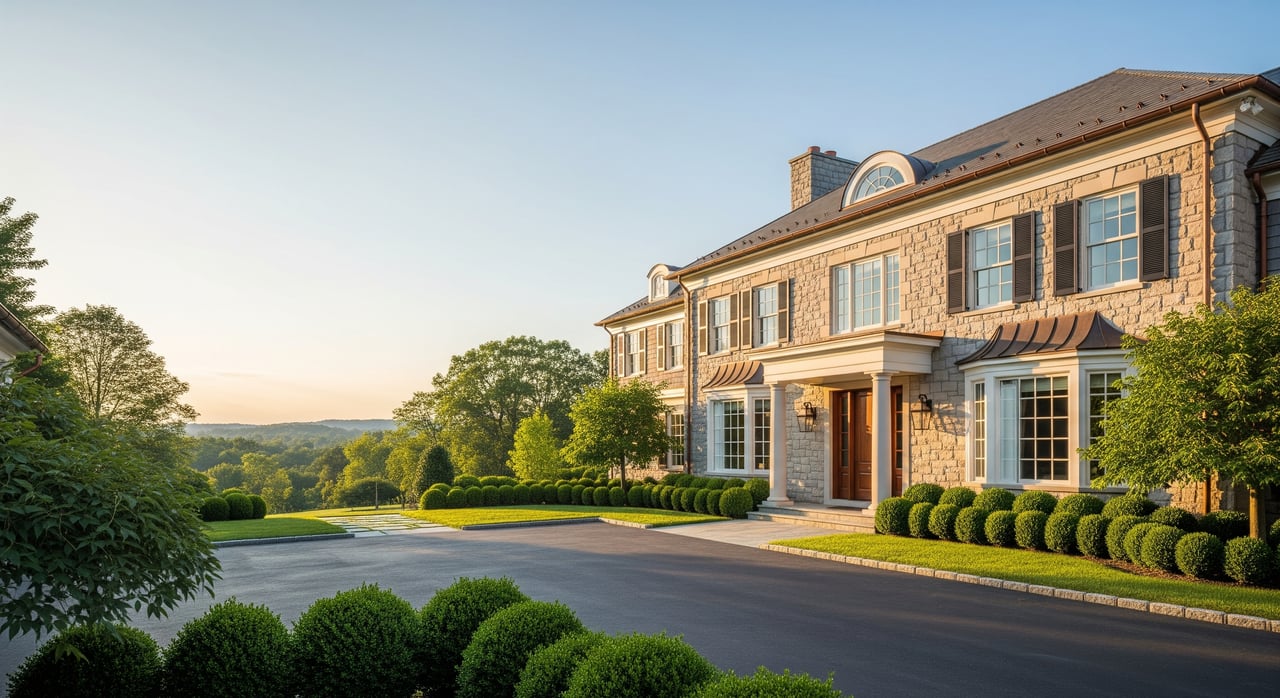
Thinking about listing your Chappaqua home this year? Pricing it right on day one is the single biggest decision you control. You want strong interest, qualified buyers, and a smooth path to closing without leaving money on the table. In this guide, you’ll learn how to price for Chappaqua’s micro‑markets, how to pick the best strategy for your goals, and what to do before launch to support your number. Let’s dive in.
Why pricing in Chappaqua is unique
Chappaqua draws buyers for its small‑town feel, single‑family housing, and access to the Harlem Line. Typical commute times to Grand Central are about 35 to 55 minutes depending on the train, which keeps demand high for commuter buyers. You can review current schedules on the MTA’s Metro‑North page.
The Chappaqua Central School District is a major driver of buyer interest and shapes search boundaries. School attendance zones and district resources are available from the Chappaqua Central School District. Keep your language neutral when discussing schools and rely on verified sources if buyers ask for specifics.
Property taxes and carrying costs weigh on affordability throughout Westchester. Expect some buyers to be tax‑sensitive and to model total monthly costs. For context on county property taxes and assessments, the Westchester County Department of Finance provides helpful resources.
Seasonality also matters. Spring typically brings the largest buyer pool in suburban Westchester, and lower inventory can compress days on market. Your pricing plan should reflect both timing and the current months of supply.
Build a market‑specific CMA
A Comparative Market Analysis tailored to your micro‑neighborhood is the foundation of smart pricing.
Use tight, relevant comps
- Pull closed sales from the last 3 to 6 months when possible.
- Prioritize the 4 to 6 most similar homes by street, lot size, age, condition, and school feed.
- Adjust for meaningful differences like finished basement space, pools, recent renovations, and acreage.
Cross‑check price per square foot
Price per square foot is a helpful cross‑check, not a final answer. Layout, bedroom/bath count, and quality of finish can swing value in Chappaqua. Finished lower levels, outdoor amenities, and guest spaces can materially affect what buyers will pay.
Study both sold and active competition
- Recent pendings show what buyers accepted today.
- Active listings reveal your competition and how you must position your home to stand out.
- Track days on market and list‑to‑sale price ratios to calibrate how aggressive you can be.
Choose the right list‑price strategy
Your strategy should match demand intensity and your goals for timing and net proceeds. Here are three practical options.
1) Aggressive price to market
- Slightly under the consensus CMA range to drive traffic and invite multiple offers.
- Works best in low‑inventory segments with strong family or commuter demand.
- Risk: if traffic is softer than expected, you may need a quick price review.
2) Targeted market list price
- Price squarely within the fair‑market range supported by the best comps.
- Captures buyers inside your natural search band and aims to close near list.
- Fits stable segments with plenty of recent comparables.
3) Premium pricing
- Price above comps only when you can document unique, scarce features or high‑quality renovations.
- Expect a longer days‑on‑market window and potential appraisal discussions.
- Works when you have time flexibility and a strong value story.
Price bands and buyer search behavior
Many buyers filter by rounded thresholds, such as under $1 million, $1 to $1.5 million, or above $2 million. Small shifts can move you into a new search band and change how many buyers even see your listing. Discuss whether a price like $999,900 or $1,000,000 aligns better with your exposure goals and appraisal plan.
Pre‑listing moves that support a higher price
A strong asking price is easier to justify when the home shows its best.
- Minor improvements: fresh neutral paint, updated lighting, landscaping, and simple handyman fixes can sharpen first impressions.
- Kitchens and baths: thoughtful updates often deliver strong returns, but costs and ROI vary by scope. Review regional benchmarks with the Remodeling Cost vs. Value Report.
- Professional visuals: high‑quality photography, floor plans, and a polished virtual tour materially improve online engagement in higher‑price suburban markets.
- Staging plan: full or partial staging can clarify room scale and function, especially in larger homes where empty spaces can feel less usable.
- Optional pre‑listing inspection or appraisal: useful for higher‑price segments, unique properties, or when you anticipate appraisal questions.
Set the list price using three scenarios
Create a clear plan before you go live. With your agent, build three concrete options:
- Aggressive traffic‑builder price expected to spark strong showings and multiple offers.
- Recommended fair‑market price expected to yield a typical days‑on‑market and close near list.
- Conservative price aimed at a faster sale with fewer showings.
For each scenario, review a seller net sheet that includes estimated transfer taxes, attorney fees, brokerage commission, and pro‑rated property taxes. Use county resources like the Westchester County Department of Finance to understand how taxes and billing cycles affect your bottom line.
Plan your first two weeks on market
The first 7 to 14 days tell you a lot. Define success metrics ahead of time, then respond decisively.
- Track showings, second showings, and written feedback daily.
- If activity lags behind similar listings, prepare a price adjustment tied to a refreshed marketing push.
- Avoid repeated tiny cuts that do not reset momentum. If you reduce, choose a meaningful step, often 2 to 5 percent, based on live market feedback.
Showing and offer strategy
Talk through your approach before launch so buyers get a clear, fair process.
- Offer timeline: consider an offer review date if inventory is tight and you expect multiple bids.
- Escalation clauses: decide whether you will accept them and outline your minimum acceptable terms.
- Appraisal planning: if the contract price may outrun recent sales, prepare comps and documentation that support value. Decide in advance how an appraisal gap would be handled.
How to compare offers beyond price
Headline price matters, but so do certainty and timing.
- Financing strength: cash is often most certain, followed by conventional loans. Confirm pre‑approval letters, not just pre‑qualification.
- Contingencies: inspection, mortgage, and sale‑of‑home contingencies can affect your risk and timeline.
- Earnest money and timing: larger deposits and a closing date that fits your plan can be worth more than a slightly higher price with uncertainty.
For general market behavior and negotiation research, the National Association of Realtors research hub is a useful reference.
Legal and closing notes in New York
New York transactions involve attorney review and specific disclosure requirements. Before you list, consult your real estate attorney about the disclosures you must provide and how you will handle inspection findings, credits, or repairs. Your agent and attorney together will help you stay compliant and protect your interests.
Quick action checklist
- Get a neighborhood‑specific CMA tied to your school feed and micro‑area.
- Choose one of three pricing strategies that fit your timing and net goals.
- Prepare a pre‑listing improvement and staging plan.
- Approve professional photos, floor plans, and virtual tour assets.
- Set your first two‑week review metrics and a pre‑agreed price adjustment if needed.
- Align on an offer review plan, escalation stance, and appraisal strategy.
- Review your seller net sheets and tax timing with county resources.
When you price with a clear plan, you reduce stress and increase your chances of selling on your timeline with the net you want. If you are considering a sale in Chappaqua, it helps to partner with a local advisor who understands school boundaries, commuter demand, and how micro‑markets move week by week. For a tailored pricing plan and CMA, connect with Tara Siegel.
FAQs
How should I price my Chappaqua home relative to comps?
- Start with the tightest, most recent comps, then choose among aggressive, market, or premium pricing based on demand, timing goals, and how your home’s features compare.
What is the best way to balance top price with a faster sale?
- Use a three‑scenario pricing plan and decide upfront how many days you will wait before adjusting if showings and feedback do not meet targets.
Do small pre‑listing updates really impact my price?
- Yes, basic refreshes like paint, lighting, landscaping, and minor repairs improve first impressions and can support a stronger asking price.
Should I get a pre‑listing inspection or appraisal in Chappaqua?
- Consider them for higher‑value or unique homes, or if you expect appraisal questions, since early documentation can speed negotiations and reduce surprises.
How do Westchester property taxes affect buyer affordability and my net?
- Taxes factor into monthly payments, so buyers are sensitive to them; review your estimated tax prorations and closing costs to understand your bottom line.
How do offer review dates and escalation clauses work?
- You can set a defined review window to encourage fair competition and decide in advance whether to accept escalations, along with your minimum acceptable terms.
What if the appraisal comes in below the contract price?
- You and your agent can share recent comps and documentation, request a reconsideration, negotiate a price change, or ask the buyer to bridge the gap.
When should I reduce my price and by how much?
- If a well‑marketed home gets little activity in the first 1 to 3 weeks, consider a meaningful reduction, often 2 to 5 percent, paired with refreshed marketing.