If you want to sell your Pleasantville home and move up without feeling like you are juggling two full-time jobs, the key is having a plan before your home hits the market. You are likely balancing price, timing, school routines, commuting needs, and the question every move-up seller asks: should you buy first or sell first? This guide will help you think through the process clearly, avoid common timing mistakes, and make smarter decisions in a competitive local market. Let’s dive in.
Why planning matters in Pleasantville
Pleasantville is a small, established Westchester village with a high owner-occupancy rate and a stable homeowner base. Census data for 2025 show about 7,351 residents, a 75.5% owner-occupied housing rate, and a median owner-occupied home value of $824,200. That stability matters because many buyers are not just comparing houses, they are comparing day-to-day lifestyle.
The village also offers practical commuter access. Pleasantville is about 31 miles north of Grand Central, and Metro-North’s Harlem Line supports a workable rail commute for many households. For move-up sellers, that means your home may appeal to buyers who care about space, routine, and convenience all at once.
Pleasantville is served by Pleasantville Union Free School District, which includes Bedford Road School, Pleasantville Middle School, and Pleasantville High School. The district is listed by NCES as a regular K-12 local school district with 1,582 students and a student-teacher ratio of 10.43. If you are staying in the village or moving nearby, school continuity may be one of the biggest pieces of your timing plan.
Understand the current Pleasantville market
The public data points to a market that is still competitive, even if different sources track it in different ways. Redfin reported a median sale price of $769,040 for the three months ending May 2026, with homes selling in 28 days on market and a sale-to-list ratio of 103.8%. Redfin also reported that 56.4% of homes sold above list price.
Realtor.com, which tracks listings rather than closed sales, reported a median listing price of $1.035 million, 13 active for-sale properties, 19 median days on market, and a 105% sale-to-list ratio in May 2026. You should not merge those figures directly, but the overall message is consistent. Pleasantville appears inventory-constrained, and buyers are still acting quickly on well-positioned homes.
That does not mean you can price aggressively and hope the market does the work for you. In a fast market, buyers often notice overpricing quickly. If your home is well prepared and priced with care, you may have better odds of strong early activity, which is especially important when you are trying to line up your next move.
Start with your move-up goals
Before you talk about list price, start with your real objective. Are you moving for more bedrooms, a better layout, more yard space, a home office, or easier daily flow for your household? Your answer will shape both your selling strategy and your purchase timing.
It also helps to define your non-negotiables early. You may need to stay close to Pleasantville for school continuity, rail access, or familiar routines. Or you may be open to nearby villages if that gives you more options at your next price point.
A clear plan usually balances three moving parts:
- Your target sale price
- The timing of your next purchase
- Your flexibility for temporary housing or short-term financing
If you skip this step, it becomes much harder to evaluate offers, negotiate dates, or decide whether to buy before you sell.
Prep your home for a strong launch
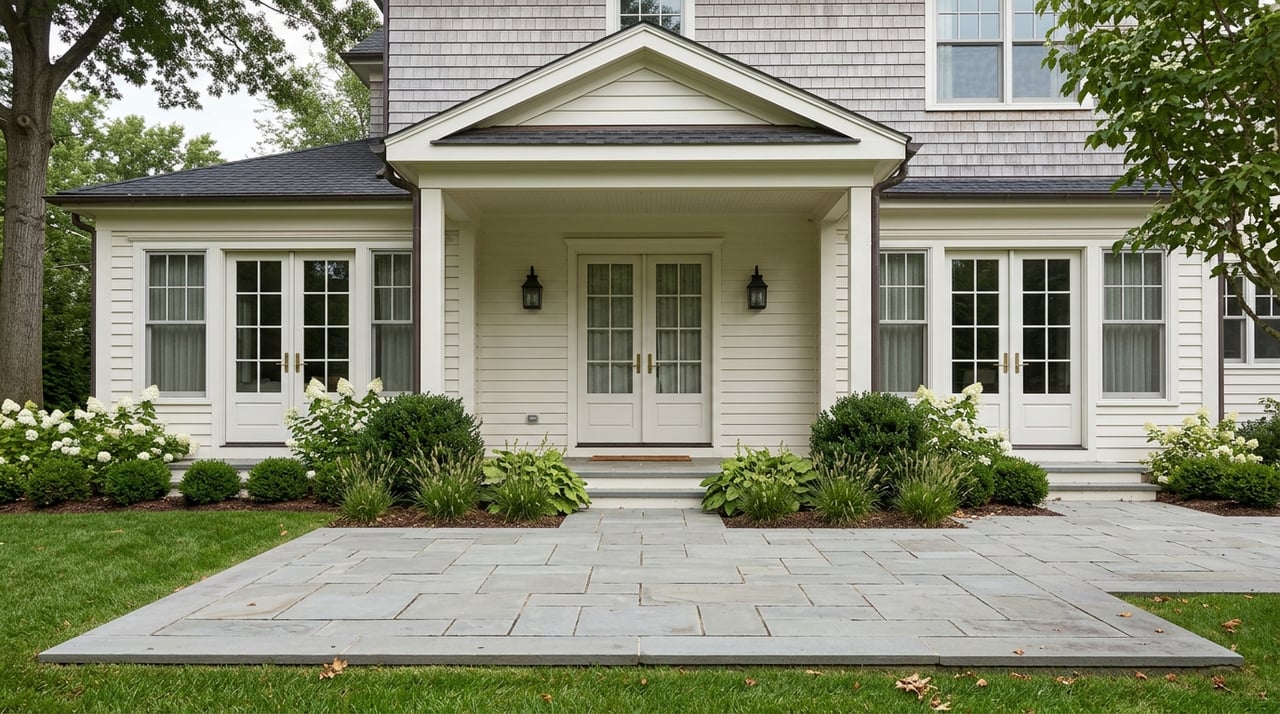
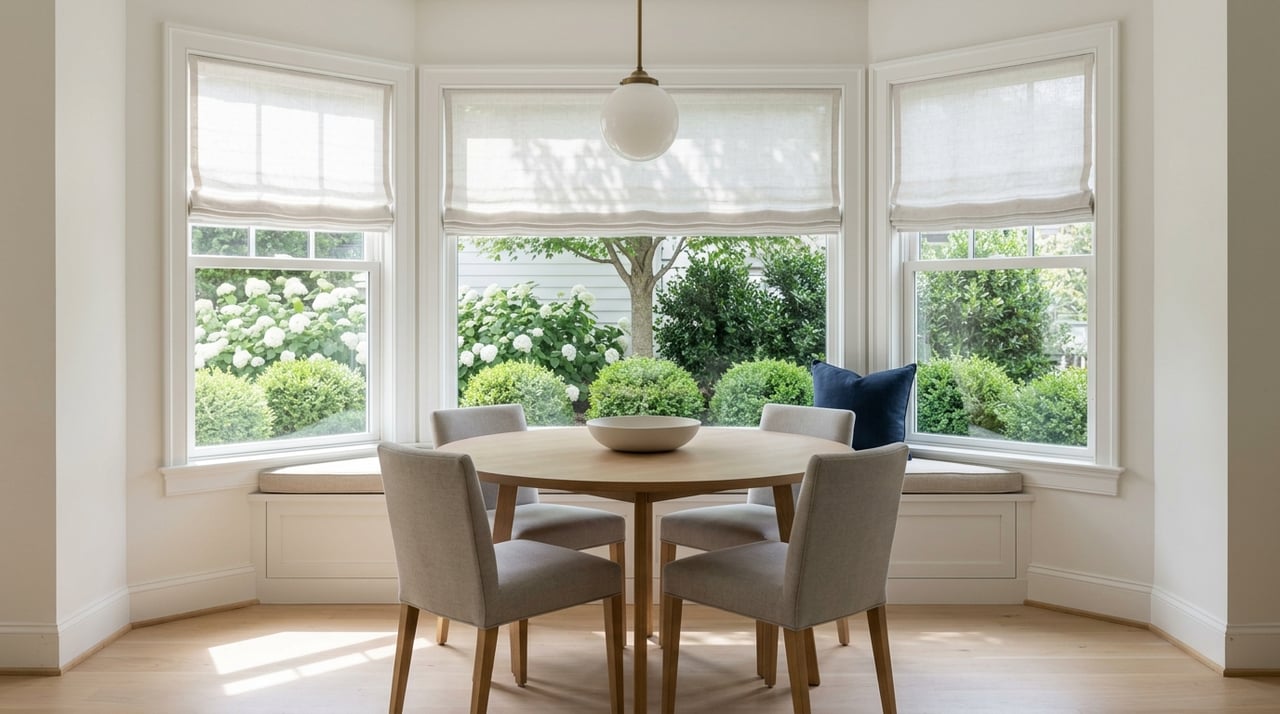
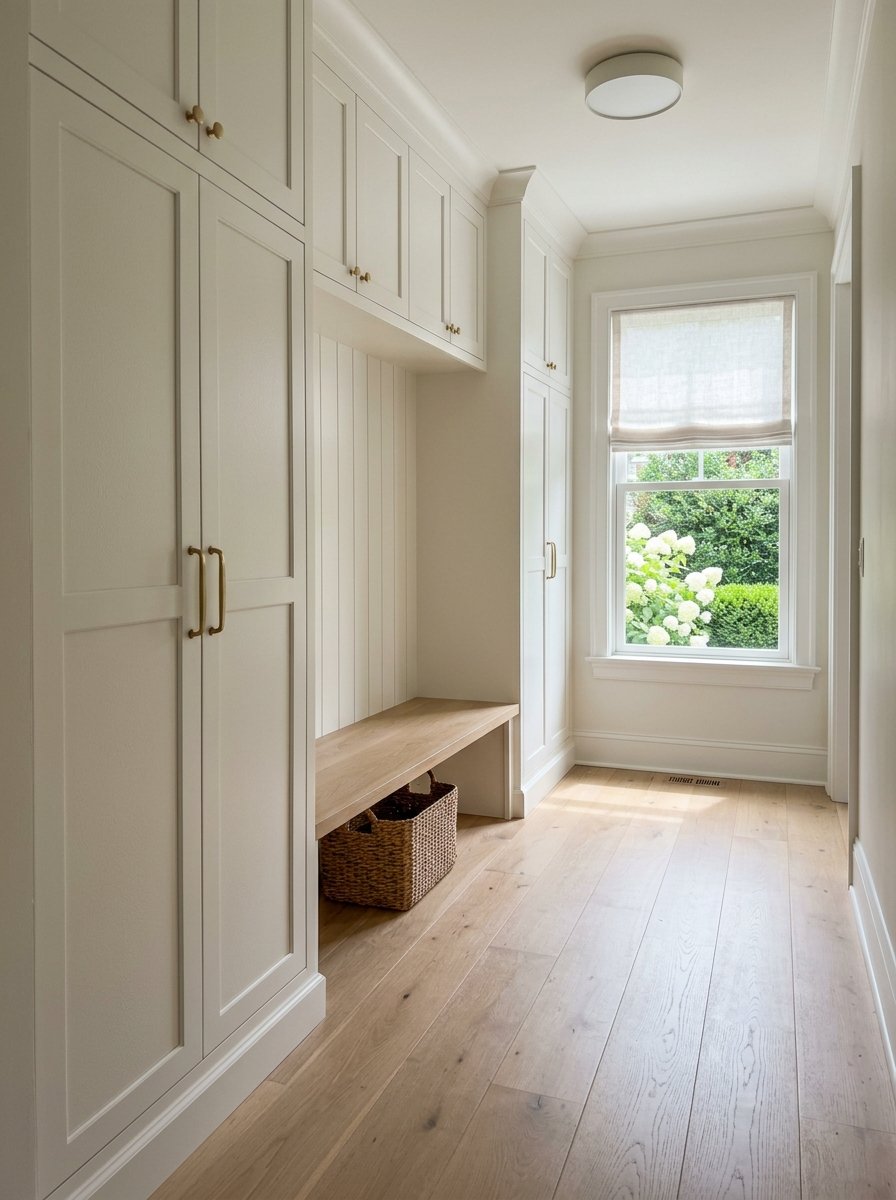
For most move-up sellers, the goal is not perfection. The goal is to create a home that feels clean, bright, functional, and easy to picture living in. That kind of presentation can help buyers act with confidence.
The strongest prep guidance in the research is straightforward. NAR’s 2025 staging report found that the most common seller recommendations were decluttering at 91%, deep cleaning at 88%, and improving curb appeal at 77%. The same report found that 17% of buyers’ agents said staging increased the dollar value offered by 1% to 5% compared with similar unstaged homes.
In practical terms, focus first on the updates that improve how the home feels in photos and in person. In Pleasantville, that often means making the house look more spacious, more polished, and easier to manage for everyday life.
Prep priorities that matter most
Start with the basics that buyers notice quickly:
- Remove excess furniture and personal clutter
- Deep clean every room
- Touch up visible maintenance issues
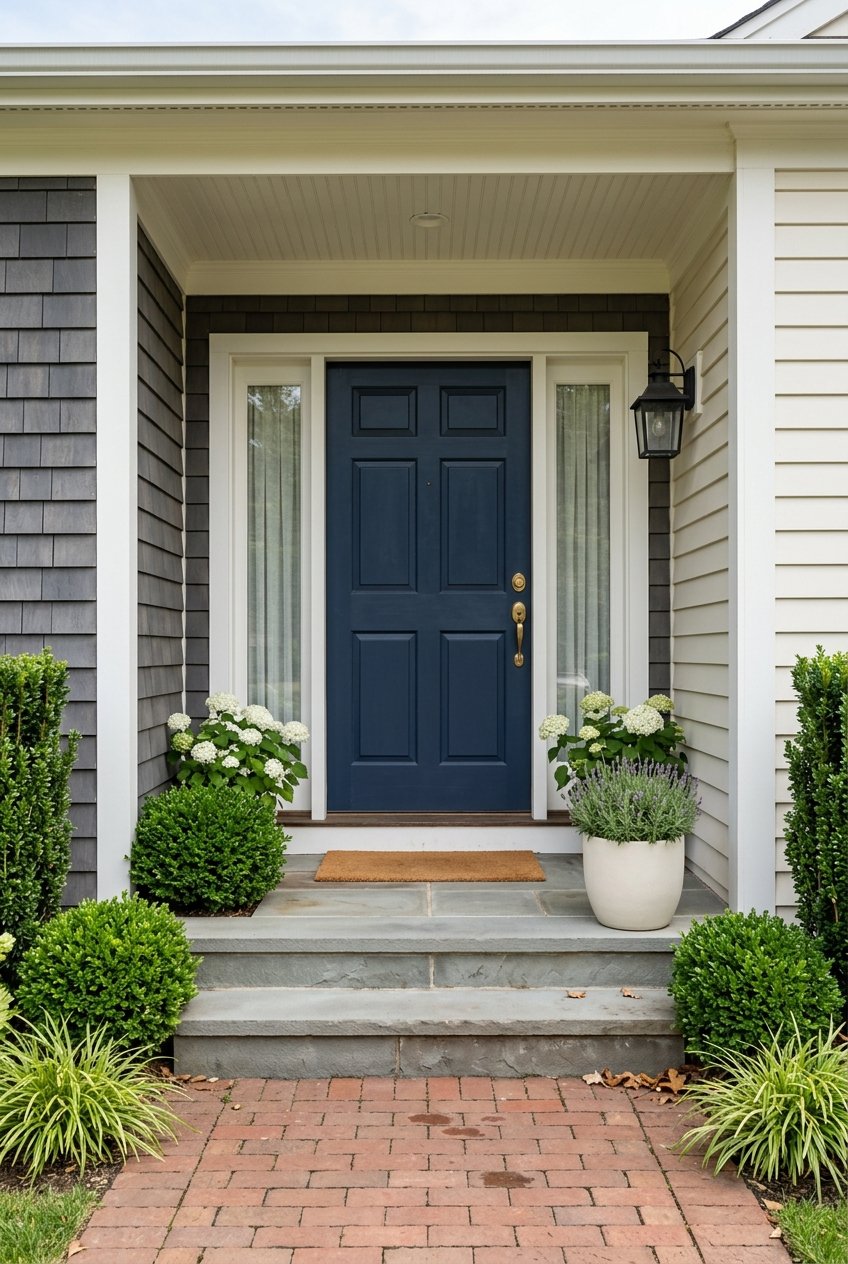
- Refresh curb appeal
- Make main living areas feel open and usable
NAR’s report also found that the rooms most often staged were the living room, primary bedroom, dining room, and kitchen. If you do not want to stage every room, those spaces are a sensible place to start.
Why photos matter
The same staging report found that photos and traditional physical staging were especially important to buyers’ agents. That matters because many buyers decide whether to schedule a showing based on the first few images they see. If your home photographs well, you improve your chances of creating early interest.
For a move-up seller, that early momentum matters more than ever. Strong activity in the first days or weeks can give you better information about value, leverage in negotiations, and more confidence as you plan your next purchase.
Decide whether to sell first or buy first
This is usually the biggest decision in a move-up plan. The right answer depends on your equity, cash reserves, comfort with risk, and how much overlap you can manage.
When selling first makes sense
Selling first is often the safer route if you want certainty. It can work well if you do not want to carry two homes, need your sale proceeds for the next purchase, or simply want cleaner numbers before making your next offer.
The tradeoff is timing. You may need temporary housing, a short post-closing occupancy arrangement, or a very focused home search once you are under contract.
When buying first makes sense
Buying first can work if you have strong equity, enough liquidity, and a clear overlap plan. It may also help if you want to compete more effectively on your next home without making your offer contingent on selling your current one.
Research in the report notes that bridge financing can help buyers avoid a home-sale contingency. In a competitive market, cleaner offer terms can matter.
How to handle the gap
Sometimes the sale and purchase dates simply do not line up. In that case, you may need a short-term solution between closings.
Options mentioned in the research include:
- Temporary housing
- A written post-closing occupancy or leaseback arrangement
- Bridge financing, if appropriate for your situation
The research also notes that many lenders will not accept leaseback agreements longer than 60 days. If you use this kind of arrangement, make sure the timing and terms are fully written out and agreed to by everyone involved.
Think carefully about contingencies
When you buy your next home, contingencies can protect you, but they can also affect how your offer is received. The research notes that financing and inspection contingencies are standard consumer-protection tools. It also notes that a home-sale contingency may make a buyer less attractive in a competitive market.
That is especially relevant in Pleasantville, where public market data suggests many homes sell near or above list price and some receive multiple offers. If you need to include a home-sale contingency, you will want to understand how that may affect your buying power. If you can avoid it through timing, reserves, or financing flexibility, your next offer may be stronger.
Build a realistic four-phase timeline
A move-up sale usually runs more smoothly when you think in phases rather than one big event. The research points to four practical stages: prep, list, contract, and move.
Phase 1: Prep
This is where you get the home market-ready. Priorities include decluttering, cleaning, curb appeal, repairs, staging, and professional photography.
This phase is also the time to discuss your likely pricing range, your ideal listing window, and what type of purchase timeline you can realistically support.
Phase 2: List
Once your home is live, the goal is to capture attention quickly. In a market where homes can move fast, first impressions matter.
A strong launch helps you measure demand early. That is valuable when you need to decide how firmly to negotiate price, terms, and closing dates.
Phase 3: Contract
Once you accept an offer, timing details become critical. The main contract milestones usually include inspection, financing, appraisal, and closing-date coordination.
This is also when your move-up strategy gets tested. If you are buying at the same time, you need a clear view of deadlines, deposits, and how each side of the transaction affects the other.
Phase 4: Move
The last phase is about reducing disruption. For many households, the key calendar is not just the end of the month. It is the school schedule, commute pattern, childcare plan, and how much transition your family can comfortably handle.
In Pleasantville, where commuting and school continuity often shape decisions, it may help to line up your move around a natural break in routine. A smoother move is not just convenient. It can make the whole process feel more manageable.
Avoid the most common move-up mistakes
Even in a strong market, a few common missteps can create stress or cost you leverage.
Overpricing at the start
Testing a high price can sound tempting, especially in a competitive market. But if buyers think the price is out of step with the home’s condition or current demand, you may lose valuable early momentum.
Underestimating prep
You do not need a full renovation to make a strong impression. But skipping decluttering, deep cleaning, small repairs, or presentation can limit buyer response.
Buying without a timing plan
If you start shopping before you understand your sale strategy, you may fall in love with a home before your finances or timing are ready. That can lead to rushed decisions or weaker offers.
Ignoring overlap costs
If you buy before you sell, be honest about what you can comfortably carry. Mortgage payments, taxes, insurance, moving costs, and temporary housing can all add up quickly.
What a smart Pleasantville move-up plan looks like
A good plan is simple, even if the transaction is not. You prepare the home well, price it carefully, understand your timing options, and build flexibility into the transition.
In Pleasantville, that approach matters because the market appears competitive, inventory remains tight, and buyers may move quickly when a home checks the right boxes. At the same time, moving up is rarely just about selling well. It is about making your next move with confidence.
If you are thinking about selling in Pleasantville to buy your next home, the best first step is a conversation about timing, pricing, and how much flexibility you want in the process. When your strategy matches your real-life goals, the move feels much more manageable.
If you want personalized guidance for your Pleasantville move-up plan, Tara Siegel can help you build a strategy around your timing, your goals, and the realities of today’s Westchester market.
FAQs
How should you prepare a Pleasantville home before listing?
- Focus first on decluttering, deep cleaning, curb appeal, visible repairs, and staging key rooms like the living room, primary bedroom, dining room, and kitchen.
Can you buy a new home before selling your Pleasantville home?
- Yes, but it is usually safest if you have enough liquidity, strong equity, or bridge financing to manage the overlap without relying on a home-sale contingency.
What if your sale and purchase closing dates do not match?
- A short temporary housing plan or a fully written post-closing occupancy arrangement can help bridge the gap when dates do not line up.
Are contingencies important when buying after selling in Pleasantville?
- Financing and inspection contingencies are common protections for buyers, while a home-sale contingency can make an offer less appealing in a competitive market.
How fast do homes sell in Pleasantville right now?
- Public market data in the research report showed median days on market ranging from 19 days for listings tracked by Realtor.com to 28 days for closed sales tracked by Redfin in May 2026.