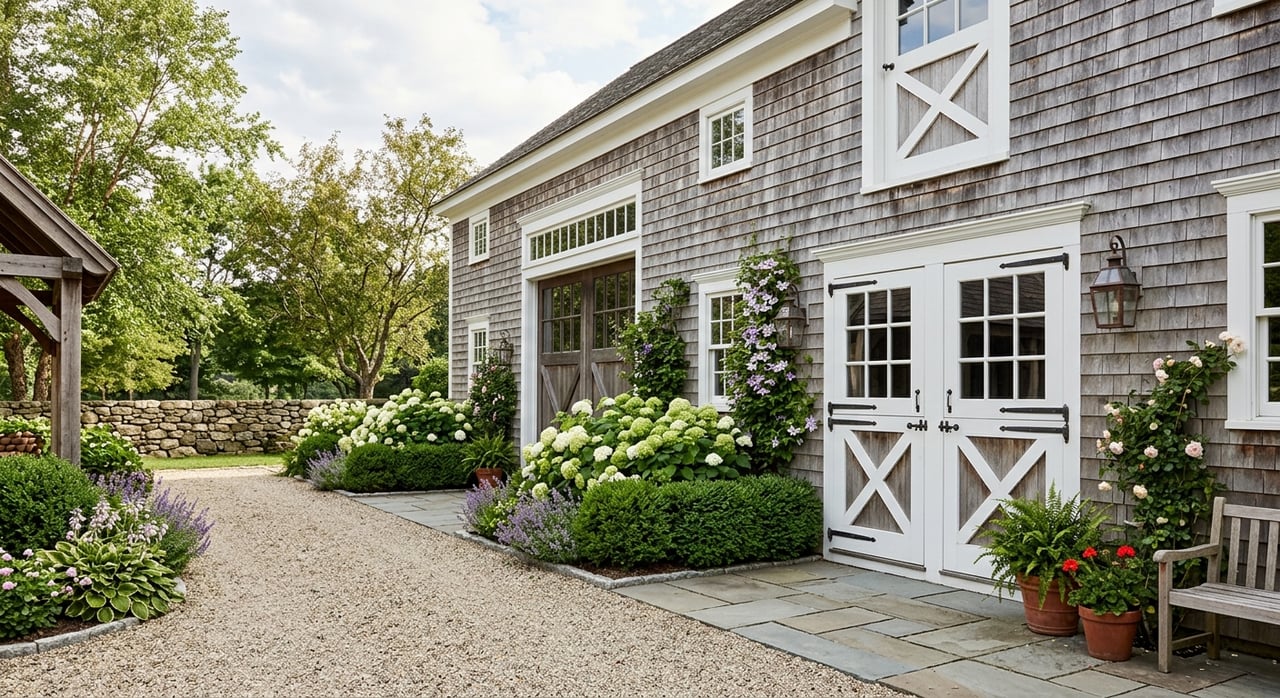
Thinking about an equestrian property in Bedford? It is easy to fall for the image first: open acreage, a barn, and access to trails that make horse ownership feel woven into daily life. But in Bedford, the right property is about much more than charm. You need to understand zoning, trail access, permits, and the real day-to-day demands of caring for land and horses. If you are considering this move, here is what to look at before you buy. Let’s dive in.
Why Bedford draws equestrian buyers
Bedford has a strong equestrian identity, and the town openly recognizes horseback riding as part of local life. A number of town, county, and state parks offer riding trails, which adds to the area’s appeal for buyers who want horse-friendly surroundings.
One of the best-known resources is the Bedford Riding Lanes Association, often called BRLA. Its private trail network exceeds 100 linear miles across Bedford and nearby communities. Nearby Ward Pound Ridge Reservation in Pound Ridge also offers more than 4,700 acres of trails for walking or horseback riding.
That said, trail access is not something you should assume. BRLA is privately maintained and membership is required, and the organization posts trail updates in real time. If riding access is a big reason you are shopping in Bedford, it is smart to confirm what access a property truly offers before you move forward.
Start with Bedford zoning rules
If you want to keep horses on your property, zoning is one of the first things to review. Bedford allows horse maintenance only on conforming lots in the R-2A and R-4A districts. That means not every large or attractive property will qualify.
The acreage rules are also specific. The code requires two acres for the first horse and one additional acre for each horse after that. In practical terms, that means a two-horse setup starts at a minimum of three acres under the code.
Even so, the legal minimum should not be treated as the ideal amount of land. Once you factor in a barn, driveway, paddocks, buffers, and usable pasture, the space can tighten quickly. If your goal is easier long-term management and healthier turnout areas, more acreage can make a real difference.
Understand barn and paddock setbacks
Buyers often focus on the house first, then think about where the horse facilities might go. In Bedford, the placement of those facilities matters. Barns and manure storage areas must be at least 50 feet from each property line and 150 feet from any other existing residence on the lot.
There are rules for outdoor spaces too. Fences, exercise yards, and pasture land must be set back at least five feet from property lines. Bedford also requires feed to be stored in rodent-proof containers, which is a small detail that still matters for compliant and practical barn management.
These setback rules can affect how usable a parcel really is. A property may look large on paper, but wetlands, slopes, driveways, and required setbacks can reduce the space available for a workable horse layout.
Know the limits on commercial use
Some buyers are looking for a simple private setup, while others may wonder about boarding or lessons. Bedford’s code places tighter limits on any commercial or semi-commercial use. Boarding 10 or more horses requires a Planning Board special permit.
Riding instruction is allowed only if it is limited to a single pupil at a time and is not advertised with paid advertising. Commercial livery stables are not permitted. If you are considering any use beyond personal horse keeping, this is an area where careful due diligence matters.
Barns are also treated as accessory structures. Larger accessory buildings can trigger special-permit review under Bedford’s general accessory-structure rules, so size and scope can affect your approval path.
Check permit history before you buy
A beautiful barn or fenced field does not automatically mean everything was built with approval. Before making an offer, it is wise to review the property’s permit history. Bedford’s Building Department requires permits for accessory structures, fences and walls, and tree removal.
The town’s City Squared portal allows users to search property permit history and submit building permit applications. This can help you confirm whether existing improvements were properly permitted and whether past work raises questions that need answers before closing.
This step matters because unpermitted work can become expensive later. Bedford states that building without a permit can trigger a $1,000 legalization fee plus the original permit fees, and an already-built shed carries a $500 legalization fee plus permit fees.
Watch for wetlands and site constraints
Wetlands can be one of the biggest issues on an equestrian property. In Bedford, the Wetlands Control Commission requires a permit whenever regulated activity occurs within a wetland or wetland buffer. That can affect plans for a barn, paddock, driveway, drainage work, or other site improvements.
Administrative permits may cover smaller items such as sheds, fences, decks, porches, and emergency repair. Full permits are used for larger disturbances, including driveways, septic fields, cut and fill activity, pools, tennis courts, and watercourse alterations.
This is one reason raw acreage alone does not tell the full story. A parcel with wetlands, steep grades, or limited buildable area may offer less flexibility than you expect. During due diligence, it helps to look beyond the listing description and understand the actual development constraints.
Consider historic review early
In some parts of Bedford, historic review may be part of the process. If a property is in the Bedford Village Historic District, the Katonah Historic District, or on the town’s historic property lists, exterior changes may require review by a historic commission or the Historic Building Preservation Commission.
That does not mean the property is not a good fit. It simply means that plans for barn updates, exterior alterations, fencing, or other visible changes may need another layer of approval. The town advises owners to check with planning and building staff and, when appropriate, work with professionals familiar with historic preservation.
If a project is not permitted under the code, the Zoning Board of Appeals can hear appeals and grant variances or special-use relief. For buyers with renovation plans, it is better to understand that path early than to be surprised after closing.
Think beyond the purchase price
Horse properties often look straightforward at first glance, but the real cost is in daily operation and long-term upkeep. Pasture quality plays a significant role in horse health, and Cornell notes that pasture productivity is influenced by grazing intensity, manure and urine, and traffic.
Overstocked pasture is more likely to get worn down and require more active management. Cornell also recommends starting with a soil test. For Bedford buyers, that is a good reminder that the town’s acreage minimums are a floor, not necessarily the amount of space that makes ownership easy.
You will also want to study the layout, not just the number of stalls. Fence condition, gate placement, drainage, and the ease of moving equipment around the property can have a major effect on everyday function.
Evaluate fencing and paddock layout carefully
When you tour an existing equestrian property, pay close attention to how the horse areas actually work. University of Minnesota Extension recommends planning pasture and paddock space around the barn, work area, and feed storage. It also suggests keeping perimeter fences about five feet tall and avoiding barbed wire.
The same guidance recommends a sacrifice paddock or dry lot of at least 400 square feet per horse. That kind of space can help protect pasture during wet conditions or heavy use. For many buyers, this is the difference between a property that looks good in photos and one that works well through the seasons.
It is also wise to budget for maintenance, not just installation. Fencing, gates, and footing need attention over time, and neglected systems can quickly become both a safety issue and a cost issue.
Plan for manure management
Manure is one of the least glamorous parts of horse ownership, but it is one of the most important. Extension Horses says a 1,000-pound horse produces about 50 pounds of manure per day and about 8.5 tons per year. Total stall waste can run about 60 to 70 pounds per day.
That volume affects storage, removal, and neighbor relations. Good manure management includes timely removal and a storage method such as composting or another contained system. Placement matters too, and storage should be convenient to the barn, screened from nearby homes, and kept away from water and low-lying areas.
In Bedford, this topic also connects back to code. Since manure storage areas must meet setback rules, you will want to make sure the property has a realistic location for them.
A practical Bedford buying checklist
Before you make an offer on an equestrian property in Bedford, it helps to confirm a few basics:
- Verify the zoning district and whether horse keeping is permitted on that lot
- Check whether the acreage supports your intended number of horses under Bedford code
- Review setbacks for barns, manure storage, fences, paddocks, and pasture areas
- Confirm permit history for barns, sheds, fences, walls, and tree removal
- Investigate wetlands, wetland buffers, slopes, and other site constraints
- Ask whether the property is in a historic district or on a historic property list
- Evaluate fencing, drainage, gate layout, and equipment access
- Confirm trail access details rather than assuming proximity equals use rights
- Think through ongoing pasture and manure management before committing
Why local guidance matters
Buying an equestrian property in Bedford is rarely just about square footage or curb appeal. You are buying a combination of home, land, infrastructure, and local regulations, and each piece affects how well the property will work for your goals.
That is why careful, local guidance matters so much. You want to know not only whether a property is attractive, but whether it is functional, compliant, and realistic for the way you plan to use it.
If you are exploring equestrian properties in Bedford or nearby northern Westchester communities, Tara Siegel can help you evaluate the details that matter and make a more confident move.
FAQs
What zoning allows horses on a Bedford property?
- In Bedford, horse maintenance is permitted only on conforming lots in the R-2A and R-4A districts.
How much land do you need for horses in Bedford?
- Bedford requires two acres for the first horse and one additional acre for each horse after that, so two horses require at least three acres by code minimum.
Do Bedford equestrian properties automatically include trail access?
- No. Some riding opportunities are public, but BRLA trails are privately maintained and require membership, so access should be confirmed before you buy.
Do you need permits for barns or fences in Bedford?
- Yes. Bedford’s Building Department requires permits for accessory structures, fences and walls, and certain other site work.
Can wetlands affect plans for a barn or paddock in Bedford?
- Yes. Bedford requires a permit for regulated activity within a wetland or wetland buffer, which can affect barns, paddocks, driveways, drainage work, and other improvements.
Can you run a boarding business from a Bedford horse property?
- Bedford places limits on commercial and semi-commercial equestrian use. Boarding 10 or more horses requires a Planning Board special permit, and commercial livery stables are not permitted.