Trying to decide where to live in Chappaqua can feel like choosing among great options. You want the right commute, a home that fits your lifestyle, and confidence that you are making a smart investment. In this guide, you will learn how to weigh commute times, housing types, lot sizes, parks, schools, and price bands so you can zero in on the best fit. Let’s dive in.
Chappaqua is a hamlet within the Town of New Castle. The census-designated place is small, but the broader postal area and school district serve many more residents. For quick context, the CDP population was reported around 2,628 in the 2020 Census, which helps explain why market stats can vary by which boundary a source uses. You can read more about that census figure in this local coverage of the data from 2020 (Chappaqua CDP population context).
Start with your priorities
Before you scroll listings, get clear on what matters most. A simple framework keeps you focused.
- Set your non-negotiables: door-to-desk commute limit, target schools, minimum lot size, and a firm budget cap.
- Separate site vs. house tradeoffs. Would you trade lot size and privacy for walkability and a shorter commute? Or do you want more land and quiet, even if it means driving to the train?
- Compare total monthly cost. Look at mortgage, property tax, insurance, utilities, and likely maintenance or renovations. Use recent comparable solds rather than asking prices alone.
Commute and downtown access
Train time and schedules
Chappaqua sits on Metro-North’s Harlem Line. Many trains to Grand Central run about 50 to 60 minutes, with some rush-hour options a bit quicker and local trains a bit longer. Check the current timetable to confirm exact stops and travel times for the trains you would use (Harlem Line schedule).
Walkability near the station
If you live within walking distance of the Chappaqua station and King Street area, you gain a predictable door-to-train routine plus easy access to shops, restaurants, the library, and the farmers market. That convenience can add to pricing, and close-in homes often have smaller lots. The tradeoff is less yard for more time back in your day.
Parking and logistics
If you plan to drive to the train, look into station parking permits and any waitlists. Rules can change, so verify current options with the Town of New Castle and Metro-North. When you tour, visit at commute hours to see traffic flow and parking demand on nearby streets.
Home styles and condition
What you will see
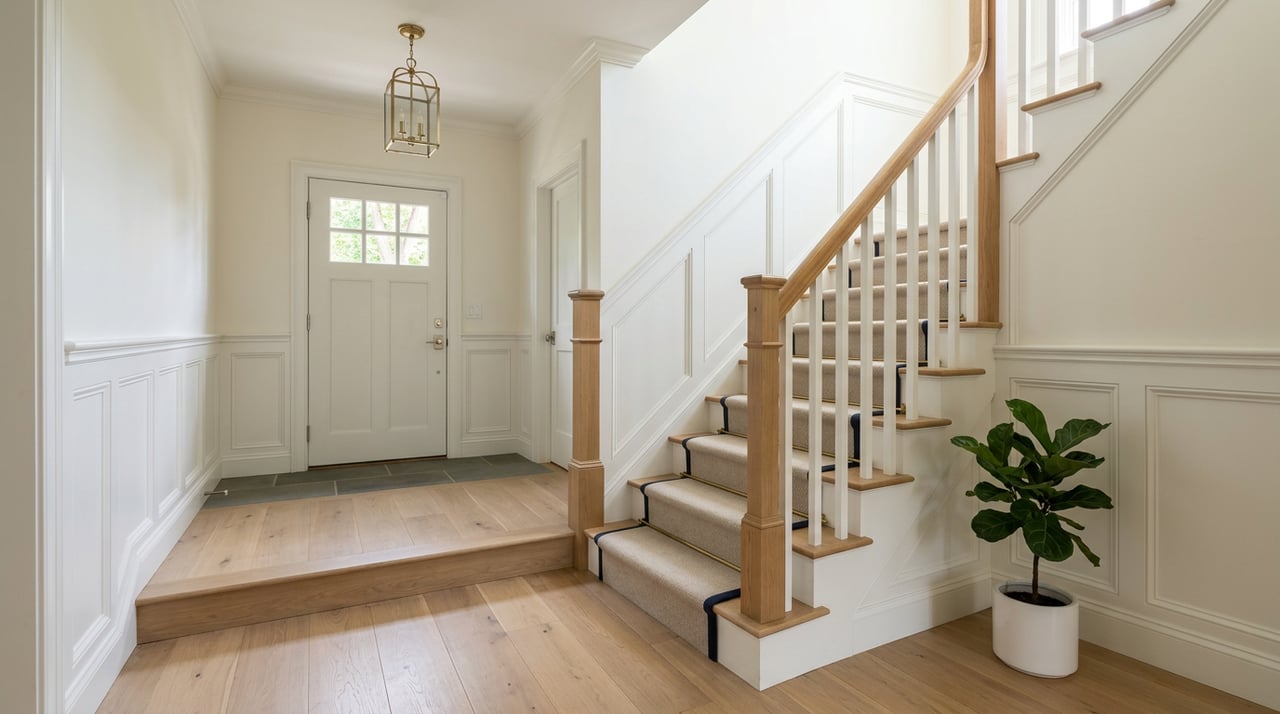
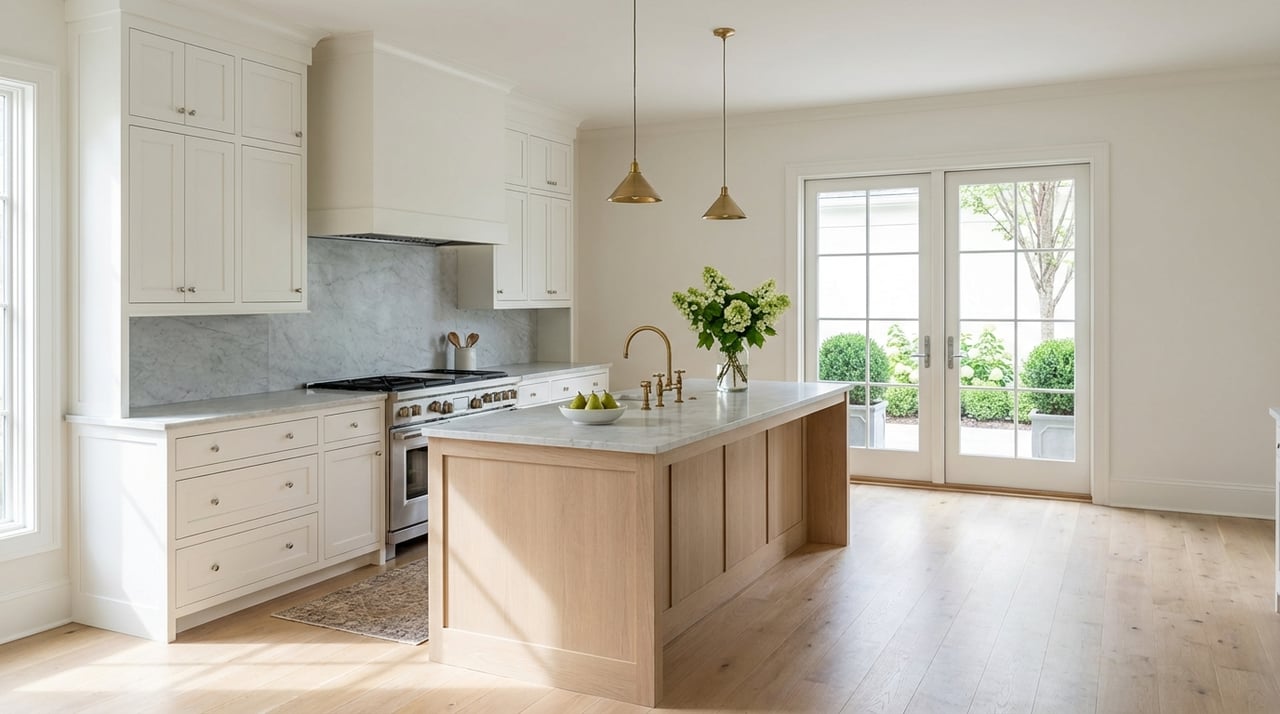
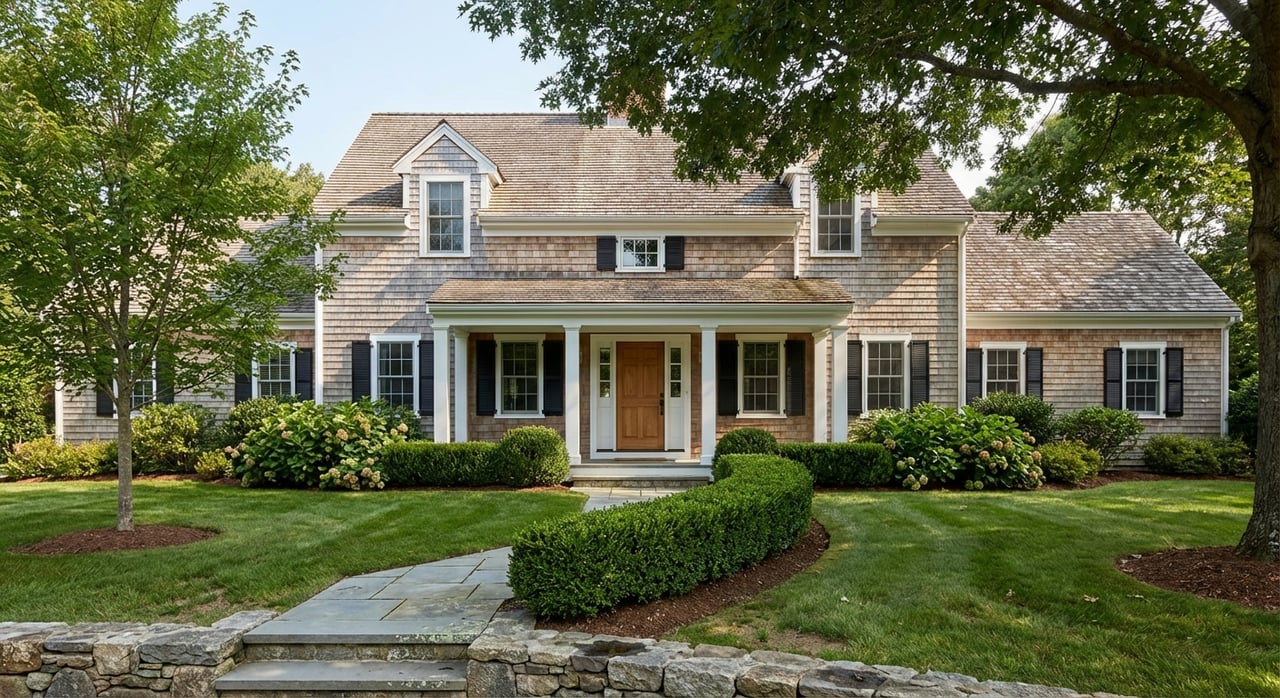
Chappaqua’s housing stock ranges from older Colonials and mid-century homes to larger post-war houses and newer custom builds. Property data providers report an average single-family home age of about 63 years in the 10514 area, which means many homes will have systems at different life stages and varied levels of updating (ATTOM Chappaqua 10514 profile). When you evaluate condition, focus on roof, HVAC, electrical, and whether renovations were recent and permitted.
Newer condos and townhomes
If you prefer lower-maintenance living, look at areas with newer product and mixed-use convenience. The former Reader’s Digest campus, now Chappaqua Crossing, introduced retail like Whole Foods along with apartments and townhome-style options. It is a good example of how infill brings variety to a largely single-family market (Chappaqua Crossing redevelopment overview).
Lot size, privacy, and terrain
Lot sizes vary widely. Close to downtown and the station, parcels tend to be smaller and more commuter-friendly. Farther out, especially in northern and outer parts of Chappaqua, you will find 1-acre plus properties and occasional multi-acre estates.
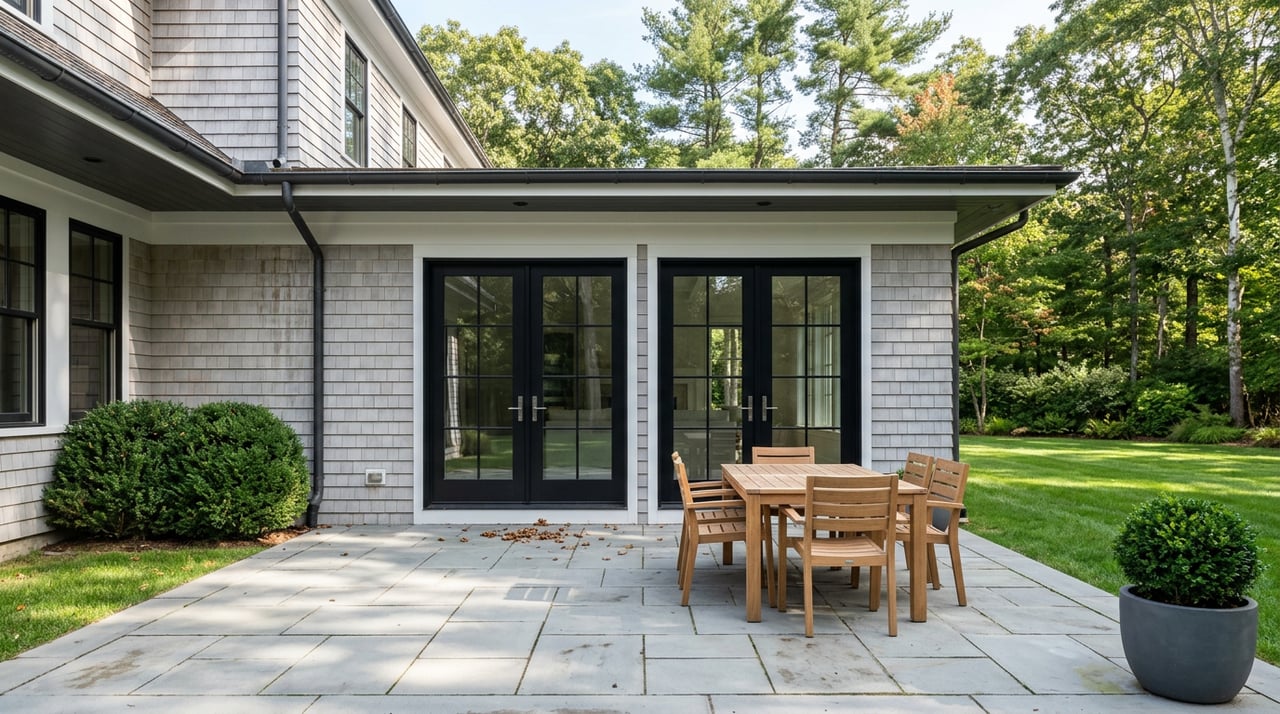
Think through the tradeoffs. Larger lots raise purchase price, landscaping, and property tax exposure but offer more privacy and room for amenities. Smaller lots mean easier upkeep and walkability, but with less outdoor space. Terrain matters too. Slopes and rock outcrops can limit usable yard and affect costs for patios or pools.
Parks and trails
Town parks you will use
New Castle manages a robust parks system, from ballfields to woodsy trails. Start with the town’s Recreation & Parks master plan to understand what is nearby and how sites are maintained (New Castle Recreation & Parks master plan). A local favorite is Gedney Park, which offers trails, a pond, playgrounds, and fields (Gedney Park details).
Regional preserves
For longer hikes and scenic loops, Rockefeller State Park Preserve is a major regional asset with miles of carriage roads and access points a short drive from Chappaqua. If daily walking or weekend trail time matters to you, map drive times from target homes to these trailheads (Rockefeller State Park Preserve).
Schools and boundaries
Chappaqua Central School District is a major draw and is highly ranked in state and national lists. The district serves Chappaqua and portions of surrounding areas, and assignment is based on district boundaries, not postal names. Always confirm the specific school assignment for any property you are considering, and review current district performance data (Chappaqua CSD data and rankings).
What homes cost in Chappaqua
Public market trackers show typical values in the Chappaqua/10514 area clustered roughly between 1.0 million and 1.6 million, with variation based on property type and data method. For example, recent snapshots cited a median sold price around 1.015 million on one vendor, a home value index around 1.39 million on another, and some reports of mid-year medians above 1.5 million. These differences reflect whether the figure is a list or sold median, the time window, and whether condos and townhomes are included.
Here is how that translates to the ground:
- Downtown and walk-to-train areas. Smaller single-family parcels and lower-maintenance condos or townhomes trade on convenience. Many listings land in the low-to-mid seven figures, with walkability often priced in. Newer options at Chappaqua Crossing are usually below the price points of larger single-family estates.
- Typical single-family neighborhoods. Across broader Chappaqua, the majority of single-family homes cluster in the mid-to-high seven figures, with condition, lot size, and updates driving the spread.
- Higher-end and estate areas. North and outer pockets with 1-acre plus parcels, newer builds, or extensively renovated homes frequently list at 2 million and above, with many examples in the 2.5 to 4 million range.
- Nearby comparisons. Pleasantville often shows a somewhat lower median, around 900,000 to 1.0 million on public trackers, with its own village downtown and train access. It can be a helpful baseline if you are comparing walkability, commute, and budget across close-in hamlets (Pleasantville market profile).
Medians move quickly. Use them as a starting point, then rely on recent comparable sales in your target micro-area when you are ready to offer.
Quick neighborhood primer
Downtown and walk-to-train
You will find a compact, walkable core centered on the station and King Street. Expect smaller lots, faster commute logistics, and easy access to coffee, dining, and the library.
Mid-neighborhood single-family areas
A short drive from downtown, you will see larger lots than the core, a mix of older and renovated homes, and quieter streets. These areas often balance space with reasonable drive times to the train.
North and estate areas
Farther out, lot sizes increase and privacy becomes the draw. Expect higher prices, more extensive grounds, and potential for amenities like pools or courts.
Chappaqua Crossing and newer product
If you are seeking newer construction or lower-maintenance options near retail, consider the Chappaqua Crossing area. The redevelopment of the former Reader’s Digest campus added modern apartments and townhome-style residences alongside shopping and services.
Buyer checklist
Use this to compare short-listed homes side by side:
- Confirm your door-to-train time for the exact trains you would ride using the current timetable (Harlem Line schedule).
- Check station parking rules, permit availability, and costs with the Town of New Castle and Metro-North.
- Verify school assignment for the exact address with the district’s latest information (Chappaqua CSD data and rankings).
- Ask whether the home is on public sewer or septic, and municipal water or well, since that affects inspections and long-term costs.
- Request recent utility usage for older or larger homes to estimate monthly carrying costs.
- Walk the property at morning and evening commute hours to evaluate noise, sightlines, and street parking.
- Map your nearest parks and trails and confirm who maintains them for seasonal care and access (New Castle park system overview and Gedney Park).
Ready to narrow your list and tour the right homes? For tailored guidance on commute options, school boundaries, and neighborhood fit, connect with Tara Siegel to schedule your Westchester consultation.
FAQs
How long is the train commute from Chappaqua to NYC?
- Most trains to Grand Central run about 50 to 60 minutes, with some rush-hour options shorter and local trains longer. Always confirm with the current Harlem Line schedule.
Are there condos or townhomes in Chappaqua?
- Yes. Options include newer homes at the Chappaqua Crossing redevelopment along with smaller buildings near the downtown core, offering lower-maintenance living compared to most single-family homes.
What lot sizes can I expect in Chappaqua?
- Near downtown you will see smaller parcels that favor walkability. Farther out, many properties sit on 1-acre plus lots, with some multi-acre estates that emphasize privacy and outdoor amenities.
How do school boundaries work in Chappaqua?
- School assignment is set by the Chappaqua Central School District’s boundaries, not by postal name. Always verify the specific school for an address with the district’s current information and data resources like SchoolDigger.
Which nearby towns compare to Chappaqua on price and lifestyle?
- Pleasantville is a common comparison for walkability and train access, with public trackers often showing a somewhat lower median around 900,000 to 1.0 million (Pleasantville profile). Other nearby communities like Mount Kisco, Katonah, and Armonk offer different mixes of lot size, commute, and housing styles.