Thinking about listing your Bedford country home and wondering where to start? The right prep can turn acreage, character details, and barn assets into real buyer magnets. This guide walks you through what Bedford buyers look for, how to stage and repair efficiently, and which local rules to check before you make changes. Let’s dive in.
What Bedford buyers look for
Bedford is known for its rural character and three hamlets—Bedford Village, Bedford Hills, and Katonah—each with its own feel. Buyers expect classic country cues like stone walls, mature trees, long drives, barns, and trails, especially near historic districts. Get familiar with the town’s identity and context through the official overview of the Town of Bedford.
Some buyers want a walkable village vibe. Others prioritize privacy, acreage, or equestrian features. Your prep should spotlight the strengths your property naturally offers.
Edit and stage the interiors
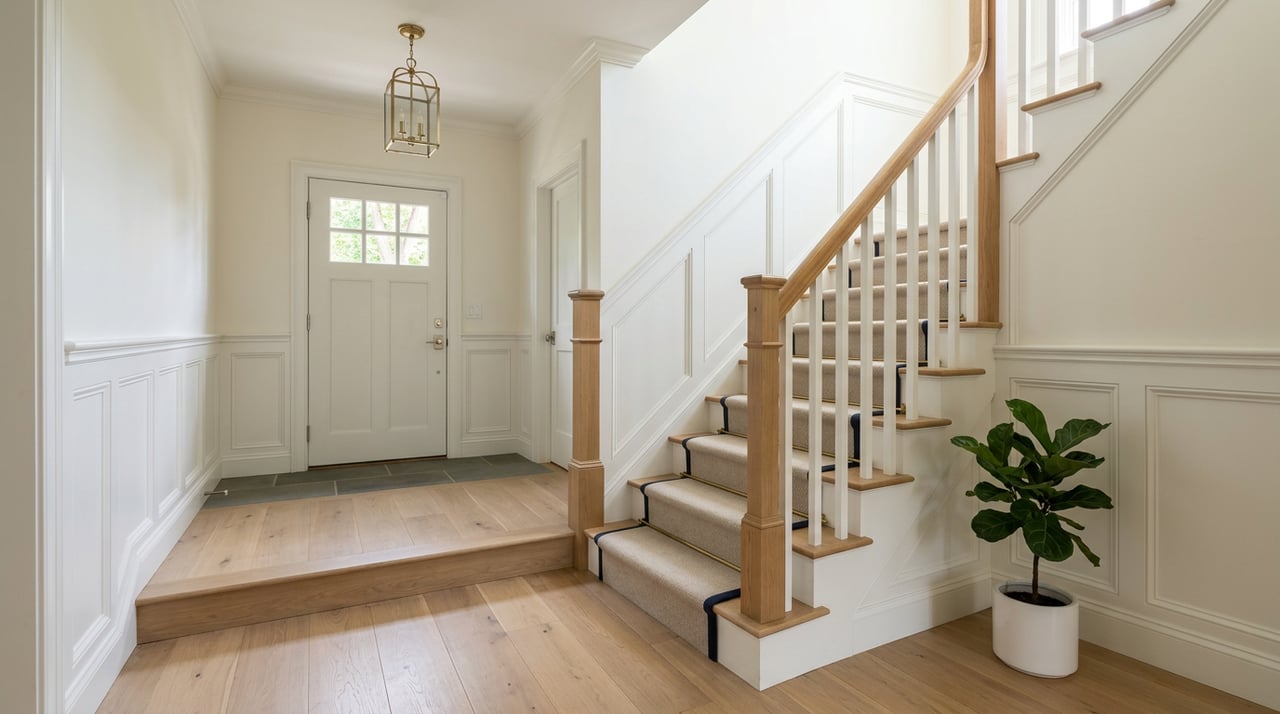
A clean, neutral, welcoming interior helps buyers picture their life in your home. Industry research from the National Association of REALTORS shows staging can reduce time on market and strengthen offers. Focus on the living room, kitchen, and primary bedroom as top priorities, and keep décor light and scaled to the room. See NAR’s guidance on home staging priorities.
If your house has historic character, let it shine. Remove heavy drapes that hide trim or windows, edit oversized furniture to open circulation, and keep a few period-appropriate accents. For any visible exterior changes on historic or designated properties, check with the town’s Historic Building Preservation Commission before you paint, replace fences, or alter doors and windows.
Quick repairs that matter
Small fixes can make your home feel cared for and move-in ready.
- Touch up paint on scuffs and trim.
- Fix sticky windows and doors.
- Replace burnt bulbs and match color temperature.
- Re-caulk tile and tidy grout lines.
- Secure loose railings and address visible roof or trim issues near the entry.
Keep receipts and a short work log. Buyers often ask for documentation.
Showcase acreage and approach
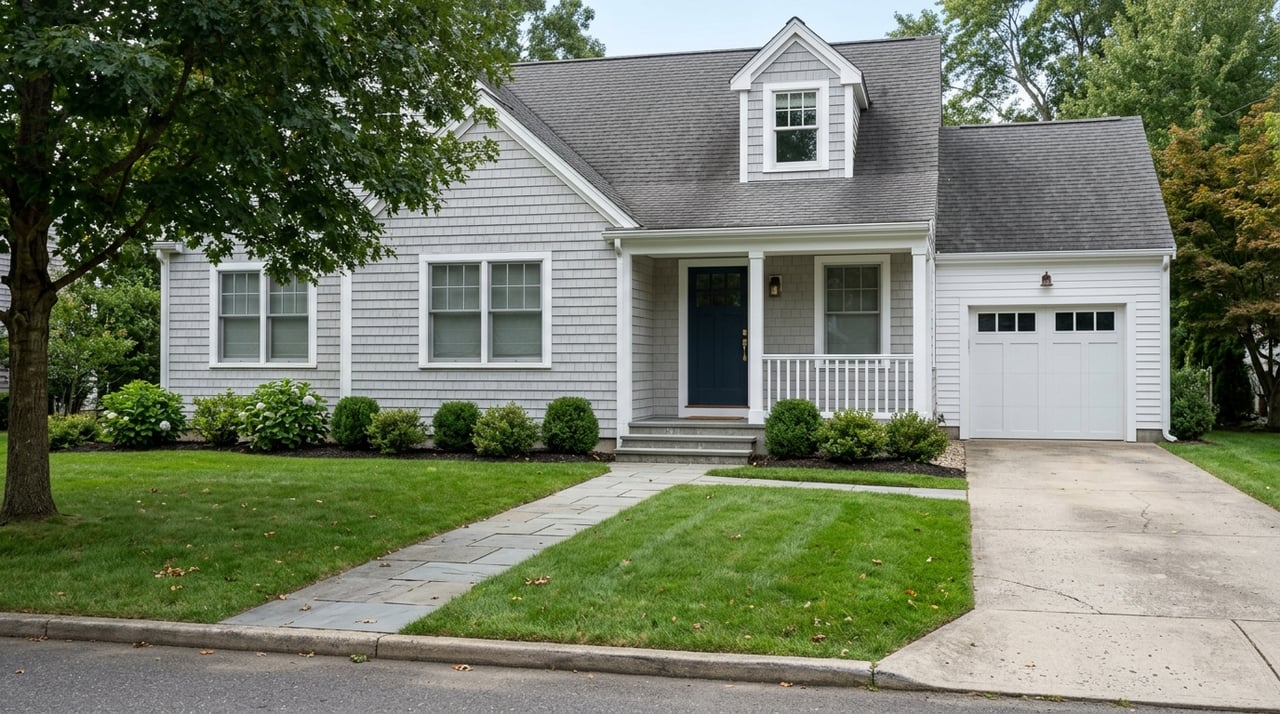
First impressions start at the road and along the drive. Trim sightlines on long approaches, mow and edge key areas, and clear debris. Neatly stack firewood or hay if visible. These simple steps improve curb appeal and help photos read clean and expansive.
Buyers will ask about boundaries, easements, and fences. If lines are unclear, order a survey before listing. You or your agent should also reference the town’s official maps and regulations to understand setbacks and any mapped constraints. Start with Bedford’s Maps, Plans & Zoning Regulations.
Prepare barns and paddocks
Serious equestrian buyers look closely at function, safety, and upkeep. Present your setup clearly and cleanly.
Barn presentation essentials
- Note stall count, aisle width, ventilation, and hay storage location.
- Highlight a separate tack room, wash stall, and any heated waterers.
- Tidy feed areas, repair minor trim, and sweep aisles for photos.
- Photograph from ground level and above to show circulation and paddock layout.
- Learn what equine buyers evaluate with this practical overview from Rutgers on horse facilities and fencing considerations.
Manure and fencing
- Show a clear manure management plan, such as regular removal or composting, and keep storage areas tidy and screened. Best practices are summarized in Penn State Extension’s guide to equine manure and nutrient management.
- Repair broken posts, loose boards, and wire protrusions before marketing. Safe, well-maintained turnout areas reduce inspection objections.
Trails, stone walls, and water features
Trails and managed woodlands are standout features for Bedford buyers. Map and label maintained routes for showings and photos. If your property touches wetlands or a mapped buffer, do not cut new paths or clear vegetation without checking permit needs with the town’s Wetlands Control Commission.
Wells, septic, and utilities
Many Bedford country homes rely on private wells and onsite septic. Gather service records early: pump dates, repair invoices, water test results, and any perc tests. Buyers may request a septic inspection or full evaluation, and wetlands or water features can affect system siting and replacement options. For local oversight and mapping details, start with the Wetlands Control Commission.
Photos, drones, and 3D that work
High-quality visuals matter for large-lot and historic homes. NAR research notes that professional photos and thoughtful staging increase buyer engagement, especially in higher price ranges. Prioritize a strong hero exterior, wide interior shots that show volume, details that capture craftsmanship, and, when appropriate, twilight exteriors to show landscape lighting.
Drones and compliance
Aerials help buyers understand acreage, paddocks, and the relationship between house, barn, and fields. For marketing use, confirm that your pilot complies with FAA Part 107 rules and Remote ID, carries insurance, and plans flights to avoid spooking horses. This summary from NBAA explains what professional operators follow under UAS and Part 107.
Floor plans and site orientation
Offer a measured floor plan and, for larger properties, a simple site plan or survey overlay that labels outbuildings, drives, and paddocks. These assets help out-of-area buyers screen efficiently and arrive at showings with context.
Zoning, historic checks, and permitted uses
Before you represent the property as a working equestrian operation, confirm what the zoning allows on your specific lot. The town’s Schedule of Permitted Uses outlines where agricultural and equestrian uses may be permitted, sometimes with accessory-use rules or special permits. Review the Schedule of Permitted Uses and consult planning staff with site-specific questions.
If your property is in a historic district or carries a historic designation, coordinate early with the Historic Building Preservation team about any exterior changes. If wetlands are mapped on or near the property, confirm permit needs before altering landscaping or expanding hardscape.
A simple six-week prep timeline
- Week 6 to 4: Plan and hire. If boundaries are unclear, order a survey. If the house is historic or near wetlands, contact town staff for guidance. Book a stager and a real estate photographer. If you want aerials, choose a Part 107 certified operator.
- Week 4 to 2: Complete minor repairs. Deep clean the house, barn, and garage. Mow and edge key sightlines, tidy stacks and equipment, and screen manure storage. Gather well and septic records.
- Week 2 to list: Stage the priority rooms. Schedule daylight and twilight photos plus aerials. Capture a measured floor plan and a simple site plan. Assemble a buyer packet with survey, maintenance logs, and any historic or wetlands notes.
What to include in your buyer packet
- Recent survey or boundary sketch if available.
- Well and septic service logs, pump dates, and any water test results.
- Stall count, turnout acreage, arena footing details, and a brief manure management summary.
- Notes on historic designation and any past approvals.
- A measured floor plan and simple site plan.
- A list of recent repairs, service receipts, and known system ages.
Ready to bring your Bedford country home to market with confidence? For a tailored plan, thoughtful staging guidance, and polished marketing that reaches the right buyers, connect with Tara Siegel. Let’s make your first impression count.
FAQs
What makes Bedford country buyers different?
- Many value acreage, privacy, and authentic country features like stone walls, barns, and trails, while others want a village setting and easy access to amenities.
Do I need approvals to change a historic home’s exterior in Bedford?
- If your property is in a historic district or designated, exterior changes often require review, so contact the town’s Historic Building Preservation staff before work.
How should I prepare a barn for showings?
- Clean and organize, highlight stall count and tack areas, fix small hazards, and present a clear manure plan so buyers see safe, functional operation.
What septic and well info do Bedford buyers expect?
- Recent pump and service records, water test results, and any perc tests; buyers may request inspections, so gather documentation before listing.
Can I use a drone for listing photos?
- Yes, hire a Part 107 certified operator who follows Remote ID and plans safe flights that respect people, structures, and livestock.
How do I show trails without creating permit issues?
- Map existing, maintained routes for showings and avoid new clearing or work near wetlands buffers until you confirm local requirements.