Craving a walk-to-everything lifestyle without giving up the space you’ve earned? Mount Kisco gives you that balance: a compact, lively downtown, a Metro-North stop at the edge of Main Street, and housing choices that fit a car-light routine. If you want to swap most car errands for quick walks while keeping more room than a city apartment, you’re looking in the right place. In this guide, you’ll learn how Mount Kisco’s layout supports car-light living, what housing types to consider, realistic commute times, and a checklist to help you choose the right block. Let’s dive in.
Why Mount Kisco fits car-light living
Mount Kisco’s village center is built for walkers. The downtown core earns a Walk Score of 78, which means most errands can be done on foot, while its Bike Score is 41, reflecting limited bike infrastructure in parts of town. You can confirm block-by-block times using the area’s page on Walk Score’s Mount Kisco overview.
Local policy also reinforces this pattern. The Village updated its Comprehensive Plan and adopted a form-based overlay in 2019 to keep downtown pedestrian oriented and transit adjacent. That plan encourages mixed-use buildings near the train and Main Street and identifies central sites like the Moger Lots for potential redevelopment to strengthen the walkable core. You can review the intent and approach on BFJ Planning’s summary of Mount Kisco’s plan and zoning.
Train, bus, and driving basics
You can live within a short walk of the Metro-North Harlem Line. The Mount Kisco station anchors downtown and includes substantial commuter parking. Sources list roughly 641 parking spaces at the station, and the platform sits right by shops and services. For station details and context, see the Mount Kisco station profile.
Train ride times to Grand Central vary by service. Published tools and local analyses commonly place the scheduled ride in the 50 to 70 minute range depending on whether you catch a local or an express. Plan for a slightly longer door-to-door time when you add your walk and platform wait. For a high-level reference on typical ranges, see this overview of Metro-North travel times.
If you want a no-car option for short hops, Westchester County’s Bee-Line Route 19 connects Mount Kisco with Ossining and Katonah. It is a useful back-up to the train and a way to reach nearby destinations without driving. Check current hours and frequency on the county’s Bee-Line Route 19 schedule.
Driving is straightforward for regional trips. The Saw Mill River Parkway and I-684 are nearby, and Route 117 is a major north-south corridor. Downtown’s popularity and regional access can mean congestion on main streets at peak times, a tradeoff worth weighing if you plan to keep one car. The Village’s planning documents note both the advantages of access and the pressure on key arterials in the center. For that context, see the Mount Kisco Comprehensive Plan document.
Housing options near downtown
You have real choice within a short walk or quick ride to Main Street and the station. Here’s how the main options stack up for a car-light routine.
Condos and co-ops
Condos and co-ops cluster in and near downtown. They often offer the shortest walks to shopping, dining, and the train. These buildings sometimes include conveniences like package rooms, on-site management, or limited bike storage. You should expect varied parking setups: some units include assigned or deeded spaces, while others rely on municipal or street parking.
If you’re new to the difference between a condo and a co-op, the purchase, financing, and monthly costs are not the same. Co-ops are share ownership with a board approval process and maintenance fees that typically cover building taxes and some utilities. Condos are deeded property with separate common charges and tax bills, and they are often more flexible on financing and subletting. For a clear primer on how each structure works, read PropertyShark’s condo vs co-op guide.
What to watch: confirm whether a unit includes parking, if there is a waitlist, and whether there is dedicated bike storage. For co-ops, review rules on pets, renovations, and subletting before you make an offer.
Mixed-use and downtown apartments
Many downtown blocks have retail at street level with apartments above. This building pattern is exactly what the Village’s form-based overlay protects and encourages, because it keeps daily needs steps from your door. Expect smaller footprints and limited private outdoor space. For the policy behind this building type, see BFJ Planning’s overview of the downtown framework.
Townhouses and small single-family homes
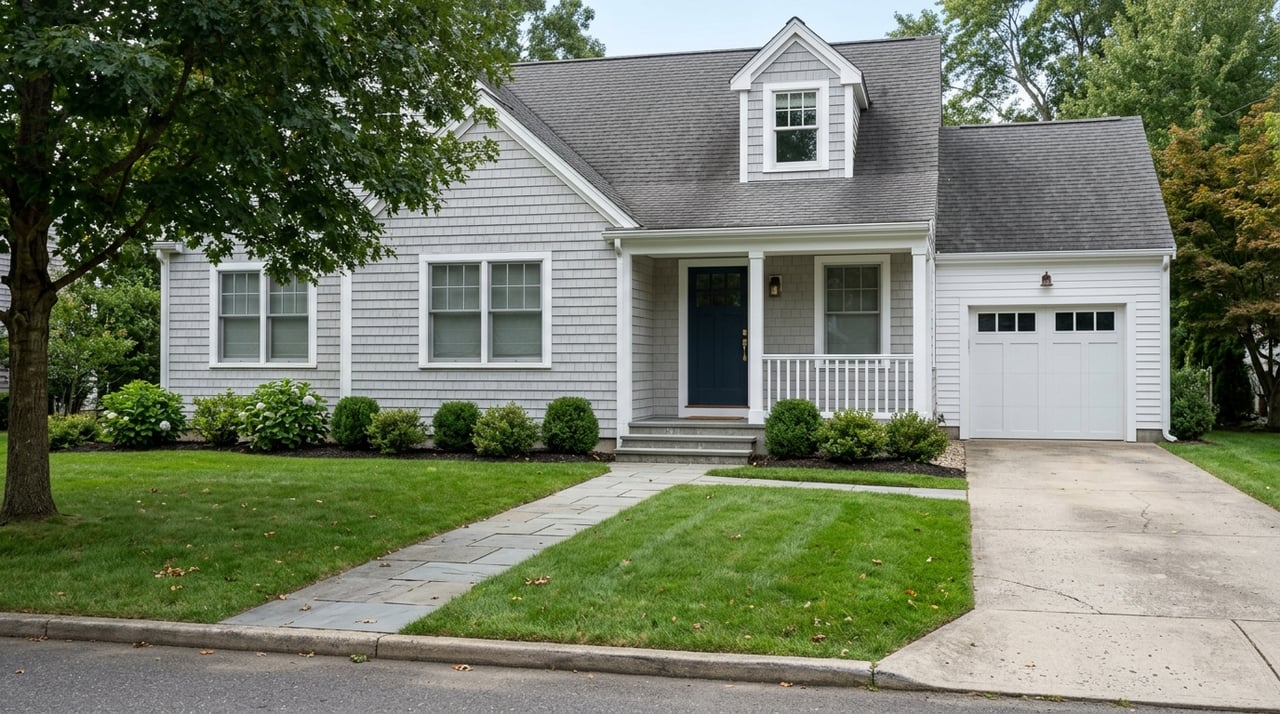
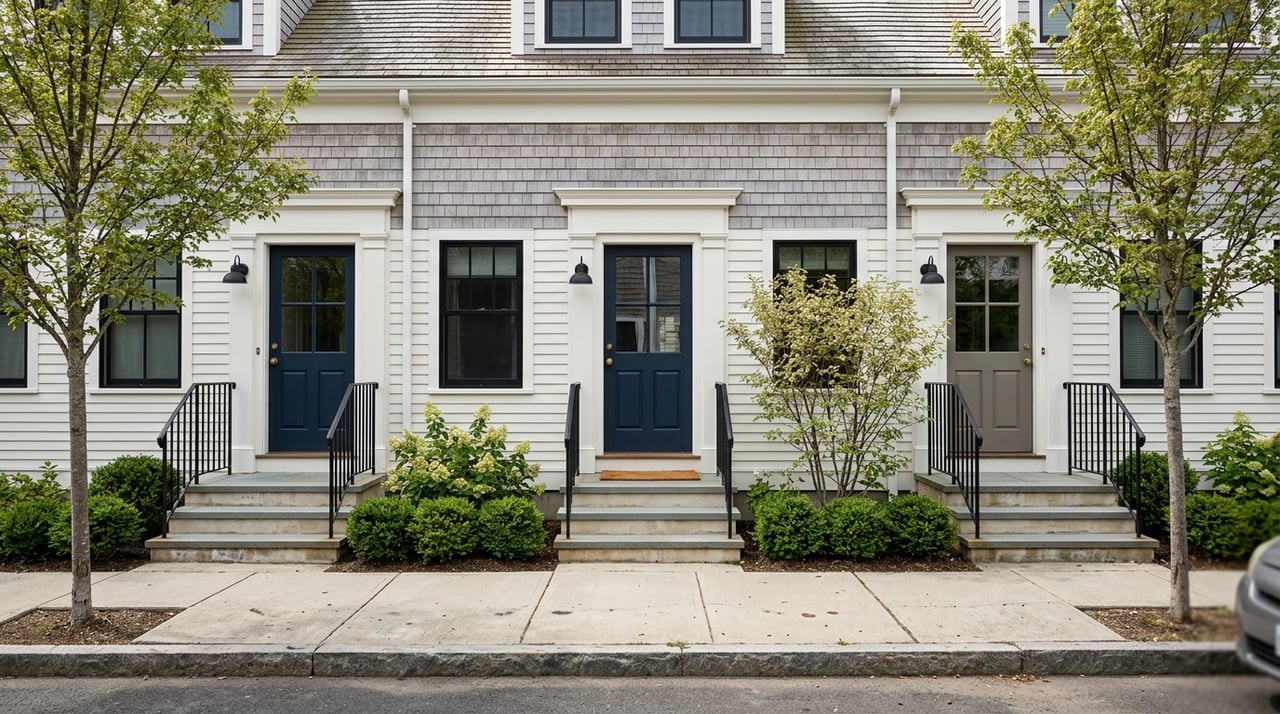
If you want more space and a yard but still plan to walk for many errands, look a few blocks out from Main Street. Within roughly 5 to 20 minutes on foot, you can find smaller single-family homes and townhouse communities that deliver extra bedrooms, larger kitchens, and off-street parking. You’ll gain interior and outdoor space and keep your station walk or a very short drive for commuting.
Local listing snapshots have shown many smaller single-family homes and townhouses in the Mount Kisco zip and immediate neighbors listing from the mid-$600,000s into the low $1 million range. Prices vary by block, condition, and exact location, and market conditions change quickly.
Rentals
Mount Kisco has an active rental market. Rents vary by unit size and distance to downtown and can reach several thousand dollars per month. Renting is a fast way to test a car-light routine before you buy, because you can fine-tune your preferred block and building based on your actual commute and errand paths.
Price signals and timing
Set your expectations at both the village and county levels. Countywide, OneKey MLS reported a Q4 2025 median single-family sale price of about $931,125 and a condo median of roughly $525,000. The same report highlighted tight inventory and continued year-over-year price gains, with movement patterns that differ between segments. Review the latest snapshot in the Westchester County Q4 2025 report.
Village-level snapshots vary by data provider. In December 2025, Realtor.com reported a Mount Kisco median listing or sale price near $524,700. Zillow’s town index, updated February 28, 2026, showed an average Mount Kisco home value of about $675,690. Treat these as directional markers to frame your search budget, then focus on recent comps and street-by-street specifics for offers.
Inventory near the walkable core is often thinner than in more suburban pockets, and list prices per square foot can be higher for elevator buildings or centrally located townhomes. If you favor a few blocks around Main Street, be ready to move when a well-priced unit appears and confirm parking and storage details early.
Core vs. a few blocks out
Walkable core: quick pros and cons
- Pros: You can handle daily errands on foot, dine out without driving, and walk to the train. The area scores a 78 on Walk Score’s Mount Kisco page, which reflects that convenience.
- Cons: Units can be smaller with less private outdoor space. Parking may be limited or come at a premium, so verify whether a specific listing includes a space and how guest parking works. For station context and typical parking supply nearby, see the Mount Kisco station profile.
Suburban-feeling streets: quick pros and cons
- Pros: You generally gain a yard, driveway, and more interior space. That can make it easier to keep one car while still using the train for commuting.
- Cons: The walk to Main Street or the station is longer, and you may drive for smaller errands without careful planning. Village documents also note congestion on main arterials, so test your routes at peak times. For that background, consult the Mount Kisco Comprehensive Plan document.
How to choose your location
Use this quick, practical checklist to match a home to your car-light goals.
- Walk time and route: Time your actual walk to the station, your top two grocery options, pharmacy, and a favorite coffee shop at 8 a.m. and 8 p.m. A first-cut estimate is available on Walk Score’s Mount Kisco page.
- Commute timing: Identify the exact trains you’d ride most often, note local versus express times, and estimate a door-to-door commute that includes the walk and platform wait.
- Parking and storage: Ask whether a condo or co-op includes a deeded or assigned parking space, whether there is a waitlist, guest parking rules, and if there is dedicated bike storage. For co-ops, confirm rules related to pets, subletting, and renovations. A refresher on co-op structures is available in PropertyShark’s guide.
- Monthly costs: Request a breakdown of condo common charges or co-op maintenance, including what utilities or building debt are covered. Review recent tax bills and the building’s reserve status.
- Daily-life services: Map your go-tos. For example, Stop & Shop is located at 195 North Bedford Road in Mount Kisco. Note proximity to parks such as Leonard Park or J. Edward Fox Park if you value green-space walks.
- Near-term development: Review the Village’s Comprehensive Plan and downtown form-based overlay to understand potential redevelopment sites and construction timing that could add amenities or affect parking. Start with BFJ Planning’s summary.
- Try before you buy: Consider a downtown rental for one lease cycle to confirm your routines before you purchase.
A simple car-light day
Picture a day where you walk five minutes for coffee, pick up a few groceries on your way home, and catch the Harlem Line for work without hunting for a parking spot. After hours, you meet friends for dinner a short stroll from your front door. On weekends, you keep one car for hikes and out-of-town errands but find most of your needs a quick walk away. That rhythm is why Mount Kisco appeals to buyers looking to reduce car time without giving up comfort or convenience.
Work with a local guide
Choosing the right block, building type, and parking setup is what makes a car-light move succeed. A local, data-savvy advisor can help you compare co-op versus condo costs, read building financials, confirm station walk times, and anticipate near-term changes downtown. If you’re weighing a townhouse against a smaller single-family home or want to target specific micro-locations near Main Street, let’s talk about a plan that fits your life.
Ready to explore car-light living in Mount Kisco? Reach out to Tara Siegel to schedule your Westchester consultation.
FAQs
Can you really live car-light in Mount Kisco?
- Yes. The downtown core is intentionally walkable with a Walk Score around 78, and many daily needs and the train are within walking distance. Many residents still keep one car for weekend trips and errands outside the village.
How long is the train ride to Manhattan from Mount Kisco?
- Scheduled Metro-North rides commonly range from about 50 to 70 minutes depending on train type and time of day. Plan for a longer door-to-door time once you add your walk and platform wait.
What housing type best balances space and walkability in Mount Kisco?
- Townhouses and smaller single-family homes a few blocks from Main Street often provide the best mix: more space and off-street parking while keeping many errands walkable or a short ride away. Condos and co-ops closest to Main Street minimize car use the most but usually offer less private outdoor space.
What should I check about parking in downtown condos or co-ops?
- Confirm if the unit includes a space, whether there is a parking waitlist, guest parking rules, and any fees. Ask about bike storage, too, and review co-op house rules if applicable.
Is car ownership common in Mount Kisco if I plan to walk a lot?
- A hybrid approach is common. Local data sources show about one car per household on average, which aligns with keeping one car for regional errands while walking or using transit for most daily needs. You can explore local context on DataUSA’s Mount Kisco profile.