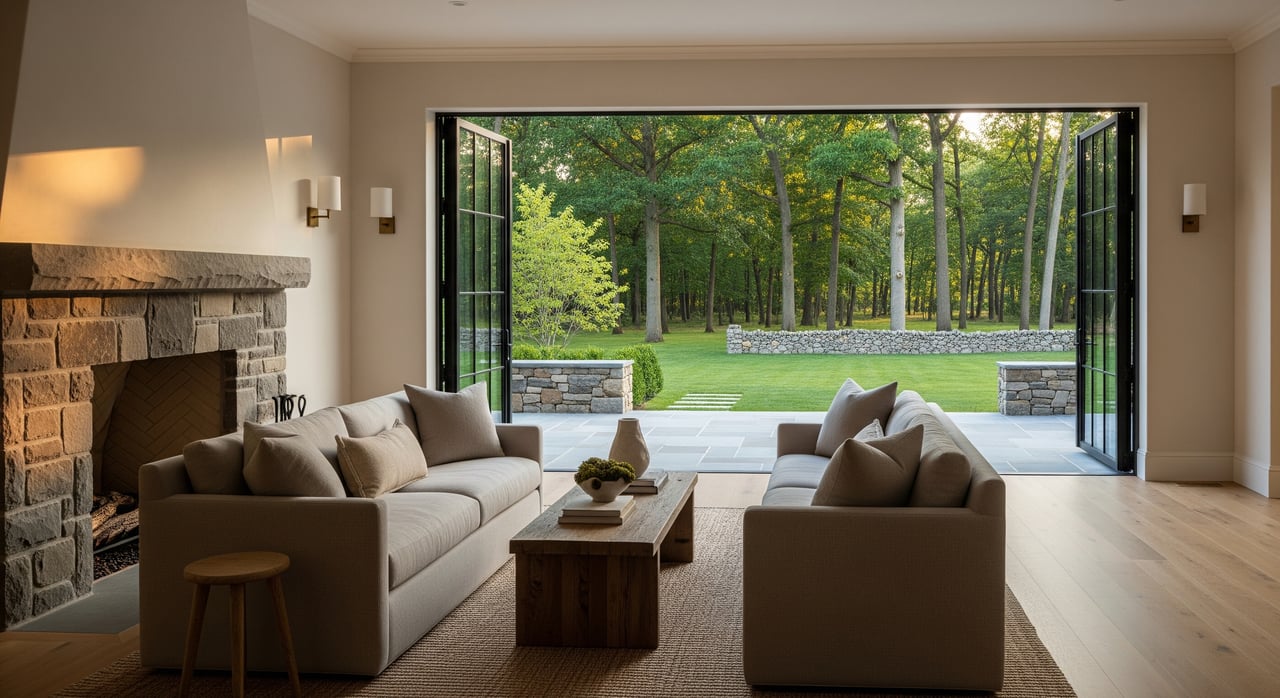
Have acres of woodlands, stone walls, and a long driveway but not sure how to stage it for today’s buyers? Selling a large-lot home in Pound Ridge is different from selling a typical suburban property. You need to show the lifestyle your acreage delivers while answering practical questions buyers will have. This guide walks you through exactly what to do, from curb appeal to documentation, so you can list with confidence and attract the right offers. Let’s dive in.
Understand Pound Ridge buyers and priorities
Pound Ridge attracts buyers who value privacy, outdoor living, and functional land. Many are NYC commuters looking for a primary or weekend home, equestrian and recreational buyers, families seeking outdoor space, and downsizers who still want acreage. You want to stage the property to make maintenance feel manageable and the lifestyle feel attainable.
Before you set a budget, get up-to-date comps and buyer feedback for similar properties. Days on market and inventory shift, and staging choices should reflect current demand. A local agent can help you verify pricing and guide which features to emphasize.
Maximize first impressions
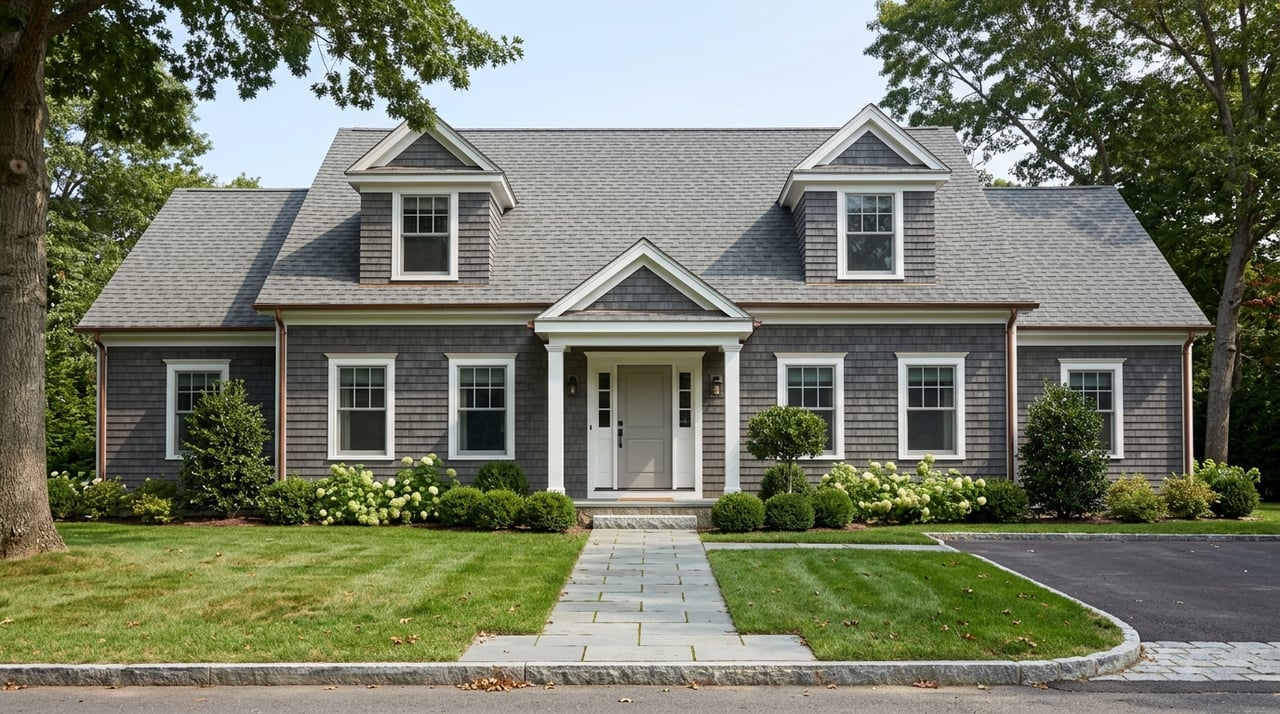
The approach sets the tone. Clean driveway edges, repair obvious cracks, trim back brush for clear sightlines, and make house numbers easy to see. If there is a gate, ensure smooth operation and tasteful signage that guides visitors in.
Focus landscaping where buyers will look first. Mow and edge the front lawn, tidy beds, and remove leaf piles and dead branches. On large parcels, aim for high-impact areas rather than total perfection across acres.
Eliminate visual clutter. Move farm equipment, stacked firewood, and bins out of view. Provide clear parking instructions and a visible parking area for showings so visitors arrive without confusion.
Stage outdoor rooms buyers can use
Create livable zones
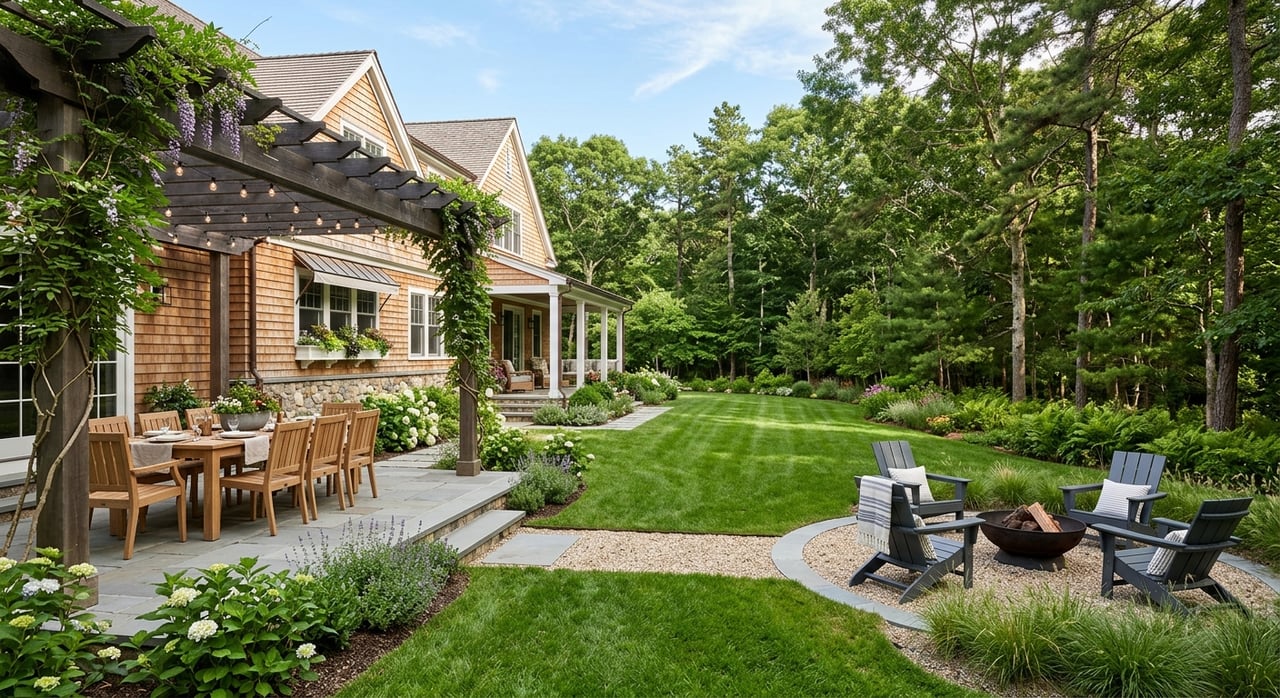
Help buyers visualize outdoor living by defining a few key areas. Stage a patio or deck with seating and dining, and add a simple lounge setup near the pool if you have one. Show scale with appropriately sized furniture, umbrellas, and a few planters for color.
Make paths and trails obvious
If you have trails, paddocks, or riding rings, make routes safe and easy to follow. Rake leaves, widen narrow paths, and add mulch or stepping stones where needed. Note trailheads in your showing instructions so buyers explore confidently.
Present outbuildings with purpose
Clean and organize barns, garages, and guesthouses. Label spaces to show intended use, like tack room, workshop, or studio. A neat, functional outbuilding signals value and lower perceived effort after closing.
Showcase special acreage features
Equestrian readiness
For barns and paddocks, clean stalls, mend fencing, and remove odorous materials. Organize the tack room and prepare a concise information sheet that outlines paddock layout, turnout, hay storage, and water access. Clear, practical details help equestrian buyers evaluate suitability.
Woodlands, stone walls, and views
Trim branches to open key sightlines from the house to signature features. Tidy stone walls and steps so they photograph well. If you have a vista, frame it with pruning and ensure it is visible from at least one main interior room.
Ponds and streams
Neaten water edges and remove debris for safety and appeal. Simple bank plantings near the viewing area can elevate photos. Flag any areas that should be off limits during showings for visitor safety.
Right-size interior staging
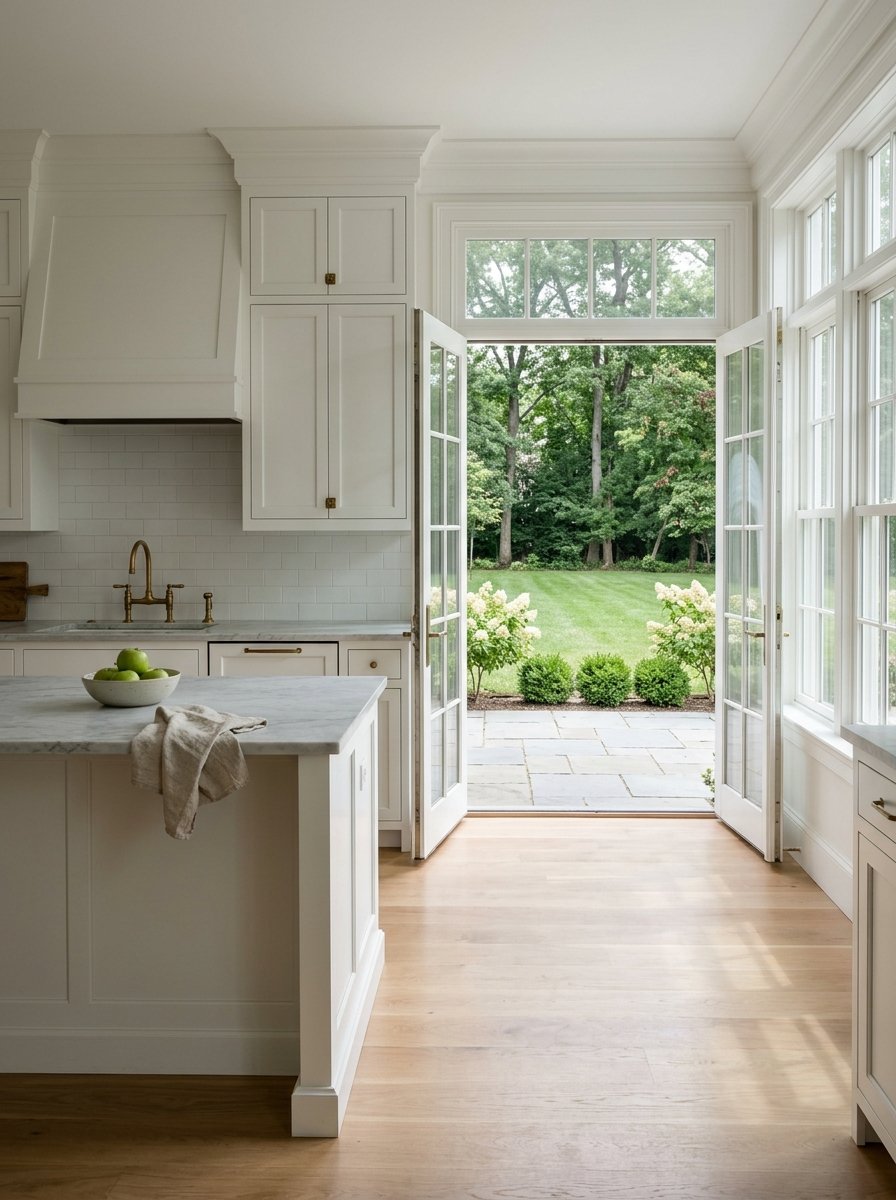
Use furniture that fits large rooms but keeps traffic flowing. Arrange seating to connect indoor focal points, like a fireplace, with exterior views or French doors. Keep window treatments simple to showcase light and landscape.
Convert one secondary space to highlight the acreage lifestyle. Ideas include a mudroom or gear room for outdoor pursuits, a light-filled home office overlooking the trees, or a fitness or yoga nook that opens to a deck. Neutralize and depersonalize while preserving warmth and character.
Reduce maintenance concerns upfront
Buyers of large lots often worry about upkeep. Use quick wins like fresh mulch, power washing, pruning, and a few container plantings at entries. Stage one or two manageable outdoor areas rather than trying to manicure the entire property.
Offer a simple seasonal maintenance plan or vendor estimates. A one-page outline of typical tasks and costs helps buyers see a clear path to ownership. Keep records handy for recent work on landscaping, driveways, or outbuildings.
Document septic and well readiness
Many Pound Ridge properties rely on private septic and wells. Buyers often ask for recent septic inspection or pumping records and potable water test results. Proactively ordering these reports reduces a major objection and can speed negotiations.
If repairs are recommended, disclose clearly and consider completing them or providing estimates. Organized documentation shows transparency and builds trust.
Check key rules before you list
Wetlands and flood zones
Confirm whether your property includes wetlands or mapped protected areas, which can limit certain landscaping or future improvements. Review flood maps to understand any localized flood hazards. Transparency prevents misaligned expectations during due diligence.
Zoning and permits
Even on large parcels, zoning setbacks and accessory structure rules apply. Verify that any improvements you plan to highlight were properly permitted. If you are adding temporary staging items outdoors, make sure they comply with local rules.
Drone use and privacy
Aerial photography is valuable for showcasing acreage, but commercial drone flights require an FAA Part 107-certified operator and compliance with applicable rules. Coordinate flight plans that respect neighbors and avoid flying over adjacent parcels without permission when appropriate.
Legal disclosures
Assemble a clear disclosure packet. Include septic and well history, any oil tank information, encroachments, conservation easements, environmental hazards, and known defects. If your home predates 1978, include the required lead paint disclosure.
Elevate media and showing logistics
Photography and video plan
Use aerial photos to show parcel boundaries, outbuildings, trails, and the relationship of the home to the land. Pair with wide-angle interior shots that feature natural light and views. Twilight photography can be especially effective for homes with lit driveways, patios, or pools.
Create a short video or narrated walk-through that shows the circulation from driveway to front door, through main rooms, and out to key outdoor spaces. Consider a virtual tour for out-of-area buyers.
Plan for safe, smooth showings
Provide turn-by-turn directions, gate instructions, and a clear parking plan before each showing. Flag or cordon off hazards like steep slopes, ponds, or equipment areas. For very large or complex parcels, consider guided showings rather than open houses.
Marketing materials that matter
Include a simple property map or survey reference in your materials. Offer key data such as acreage, recent tax bills, septic permit history, well depth and recent water tests, and any deeded easements or restrictions. Floor plans and site diagrams help buyers understand scale and layout.
Know costs and potential return
Staging costs vary with size and scope. Partial interior staging for a large home can run from thousands to tens of thousands for setup and monthly fees, with full luxury staging higher. Exterior touchups like mulch, pruning, and minor repairs range from a few hundred to several thousand, while significant landscaping or driveway work can reach into the tens of thousands.
Expect higher rates for professional photography with aerials, and budget several hundred to a few thousand for septic and well inspections and water tests depending on scope. Weigh each cost against market expectations and likely impact on time to contract and final price. For acreage, strong staging, documentation, and media often deliver outsized value because buyers are choosing a lifestyle as much as a house.
Set a practical staging timeline
- Immediate, weeks 1–2: Declutter, complete critical repairs, basic yard cleanup, schedule pro photography, and order septic and water tests.
- Short term, weeks 2–6: Landscape touchups, stage at least one outdoor living area, and organize barns and garages. Finalize your marketing packet and confirm surveys or maps.
- Medium term, weeks 6–12: Tackle higher-impact exterior work if ROI justifies it, such as driveway repairs or barn fixes. Capture twilight and aerial footage after improvements.
Overcome common buyer objections
- Too much maintenance: Emphasize low-maintenance plantings, show a few polished outdoor areas, and share a seasonal plan with vendor options.
- Septic and well worries: Provide current inspection reports, water test results, and service history.
- Taxes and carrying costs: Include recent tax bills and position value in terms of privacy, acreage, and amenities.
- Access and parking: Offer clear parking and approach instructions, and stage a visible guest parking area.
- Buildability questions: Disclose any easements or conservation restrictions and provide a zoning summary or survey reference.
Work with a local advisor
Staging large-lot homes in Pound Ridge is about more than furniture and flowers. It is about telling a clear story of privacy, ease, and outdoor living while giving buyers the facts they need. With a tailored plan, professional visuals, and transparent documentation, you can put your acreage in the best light and move forward with confidence.
If you are considering a sale, reach out to discuss timing, budget, and a staging and media plan tailored to your property. Schedule your Westchester consultation with Tara Siegel for thoughtful, concierge-style guidance backed by regional marketing strength.
FAQs
What makes staging in Pound Ridge different?
- Large parcels and outbuildings require you to stage outdoor rooms, organize functional spaces like barns and garages, and showcase land use, not just interiors.
How much does it cost to stage a large-lot home?
- Partial interior staging can run thousands to tens of thousands, exterior touchups from a few hundred to several thousand, and larger repairs or landscaping into the tens of thousands.
Should I stage barns and outbuildings too?
- Yes, clean and organize them, mend fencing, and label intended uses so buyers understand function and upkeep at a glance.
Do I need drone photos for acreage listings?
- Aerials are highly effective for showing boundaries, features, and layout; use a commercial operator who follows FAA Part 107 rules.
What documents reassure buyers of acreage homes?
- Recent septic inspection and pumping records, water test results, survey or property map references, tax bills, and any easement or permit documentation.
Can I add new structures before listing my home?
- Check zoning, setbacks, and permit requirements first, and ensure any staged improvements or temporary items comply with local rules and conservation limits.